


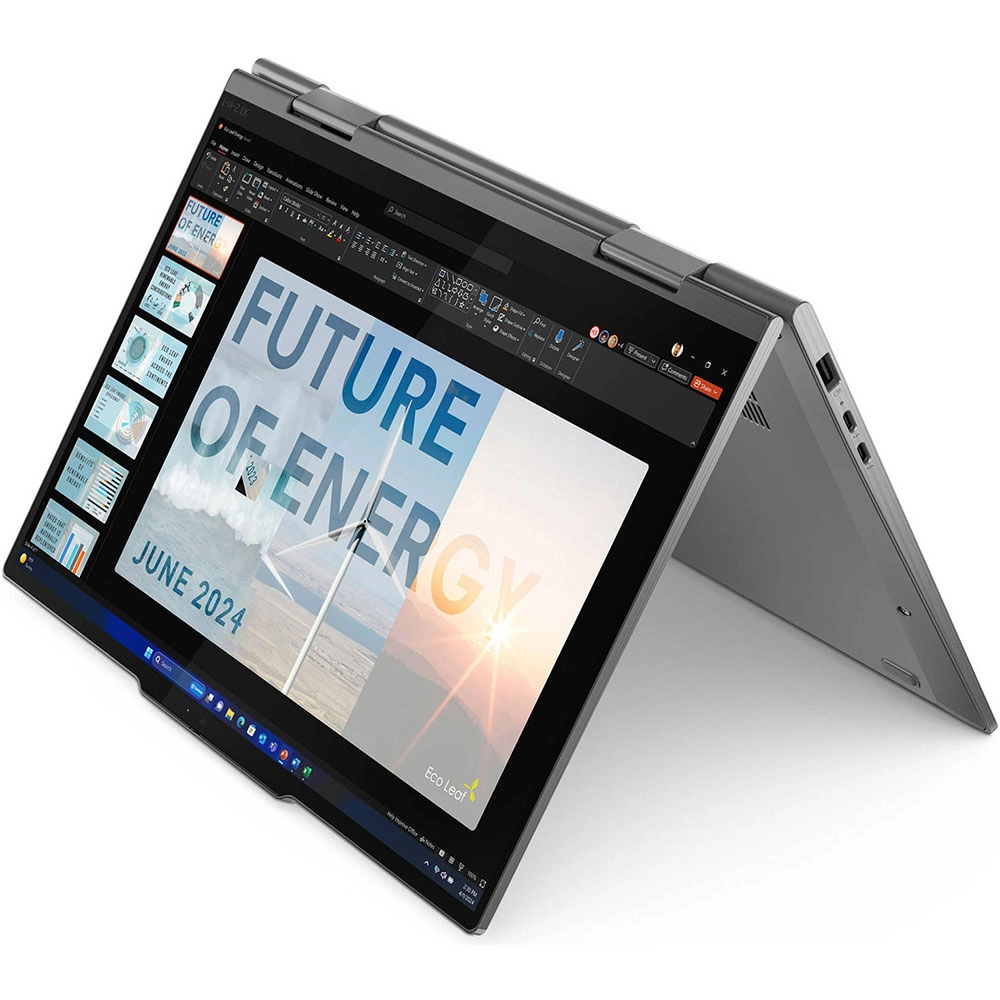
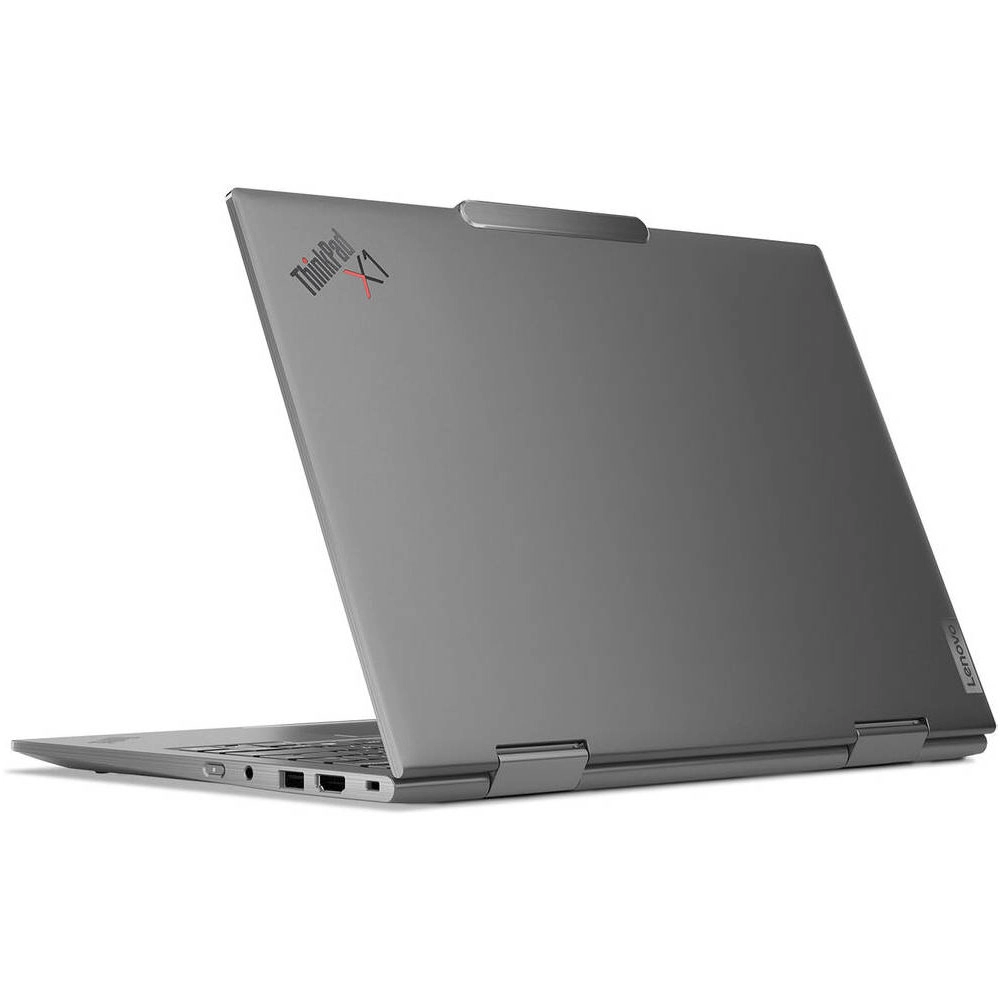
Lenovo Thinkpad X1 Yoga Gen 9 Laptop – Ultra 5-125u, 16GB RAM, 512 SSD Storage

| Brand and Model | Lenovo ThinkPad X1 Yoga Gen 9 |
| CPU model | Intel Core Ultra 5 125U |
| Installed RAM memory size | 16GB LPDDR5X-6400 |
| Graphics card description | Integrated Intel Graphics |
| Hard disk size | 512GB SSD NVMe |
| Screen size | 14 Inches |
| Colour | Grey |
2,500 AED 3,000 AED
Lenovo ThinkPad X1 Yoga Gen 9 Laptop – Ultra 5-125U, 16GB RAM, 512GB SSD
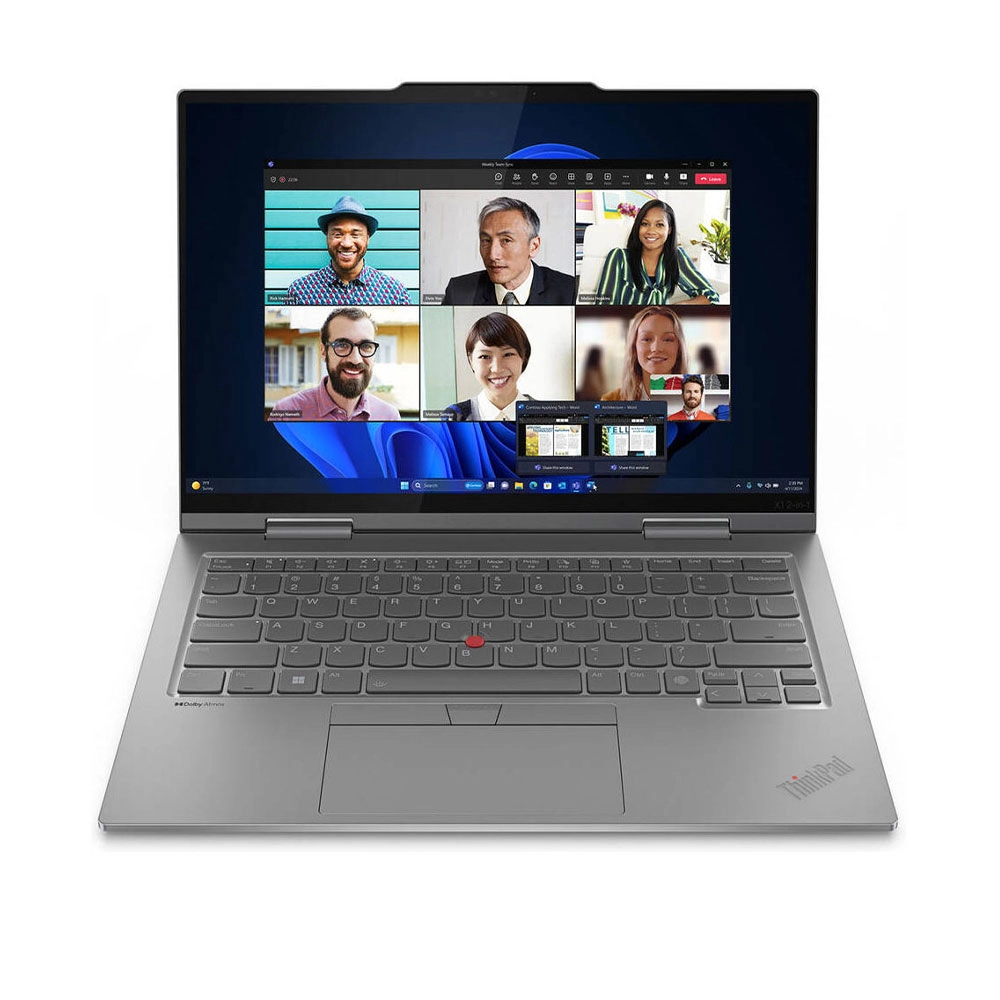
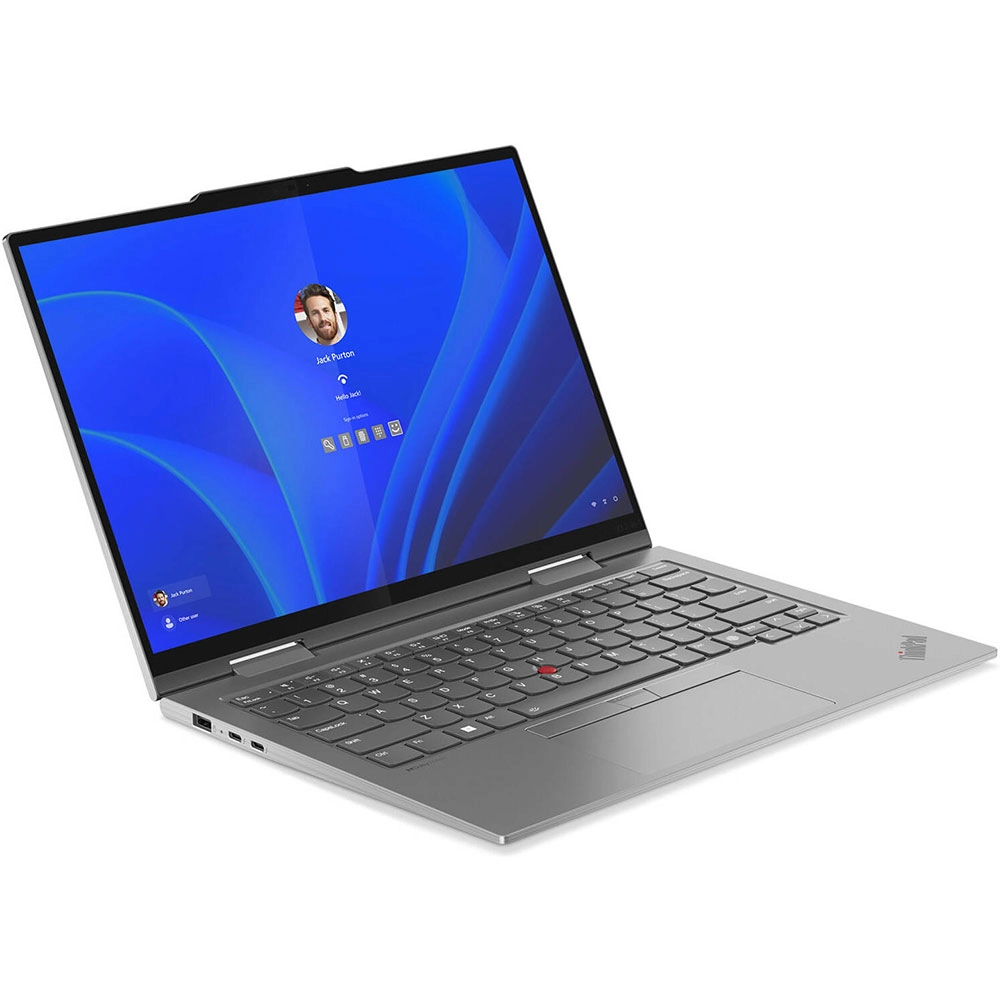
The Lenovo ThinkPad X1 Yoga Gen 9 laptop combines Intel Core Ultra processing with a flexible 14-inch touchscreen design. Its Core Ultra 5 125U processor, 16GB of LPDDR5x memory and 512GB PCIe NVMe storage create a hardware platform designed around everyday professional computing. More importantly, the 360-degree hinge changes how the device can be used: it works as a conventional notebook for extended typing, then folds into tablet, tent or stand mode when a different working position is more convenient.
Technical Specifications
| Component | Specification |
|---|---|
| Brand | Lenovo |
| Model | ThinkPad X1 Yoga Gen 9 |
| Processor | Intel Core Ultra 5 125U |
| Processor Cores / Threads | 12 cores / 14 threads |
| Maximum Turbo Frequency | Up to 4.3GHz (P-cores) |
| Cache | 12MB Intel Smart Cache |
| Graphics | Integrated Intel Graphics |
| AI Processor | Intel AI Boost NPU, up to 11 TOPS |
| Memory | 16GB LPDDR5x-6400 |
| Memory Upgrade | Soldered, not upgradeable |
| Storage | 512GB M.2 PCIe 4.0 NVMe SSD |
| Display Size | 14 inches |
| Display Type | Multi-touch display; IPS or OLED options |
| Convertible Design | 360-degree hinge |
| Battery | 57Wh |
| Audio | Stereo speakers with Dolby Atmos |
| Wireless | Wi-Fi 6E or selected Wi-Fi 7 configurations |
| Bluetooth | Bluetooth 5.3 |
| Security | TPM 2.0, fingerprint reader and camera privacy shutter |
A Convertible Design That Changes the Working Position
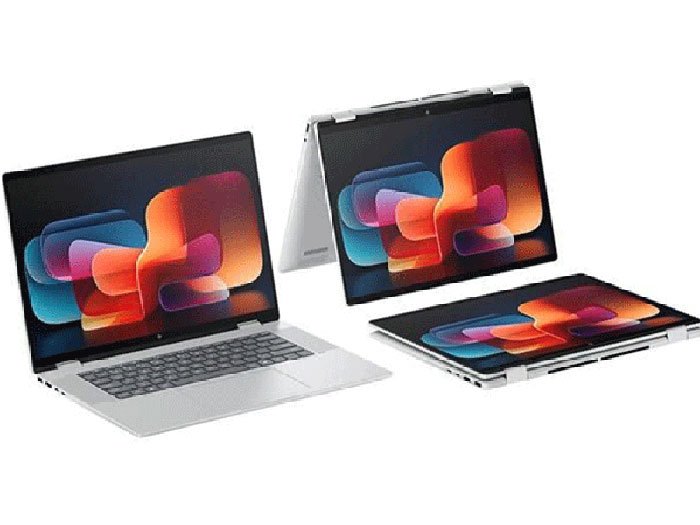
The defining feature of the ThinkPad X1 Yoga Gen 9 is its 360-degree hinge. Rather than limiting the display to a fixed laptop position, the hinge allows the screen to fold all the way around the keyboard. This gives the system four practical operating modes: laptop, tablet, tent and stand.
In laptop mode, the familiar ThinkPad layout supports document editing, spreadsheets and extended typing. Tablet mode provides a more direct way to interact with touchscreen applications, while tent and stand positions can make presentations, video calls and media viewing more convenient. Consequently, the convertible design affects more than appearance; it changes how the computer fits into different work environments.
Lenovo uses an aluminium enclosure for the top and bottom covers. The chassis measures approximately 312.8 × 217.65 × 15.49mm and starts at around 1.35kg. This combination gives the 14-inch system a relatively compact footprint while retaining the flexibility of a full-size convertible notebook.
Core Ultra 5 125U and Its Hybrid Processing Layout
At the centre of this configuration is the Intel Core Ultra 5 125U. The processor uses a hybrid architecture with 12 cores: two Performance cores, eight Efficient cores and two Low Power Efficient cores. It supports 14 threads and includes 12MB of Intel Smart Cache.
The Performance cores can reach up to 4.3GHz, while the Efficient cores reach up to 3.6GHz. The separate low-power cores operate at lower frequencies and help handle suitable background tasks. This arrangement allows the processor to distribute workloads across different core types rather than relying on one uniform group of cores.
For everyday professional workloads, this architecture is suited to a mixture of browser activity, office applications, online meetings and background services. It also provides a foundation for more responsive multitasking when several applications remain open at the same time.
16GB LPDDR5x Memory: Capacity and Upgrade Limitations
The system includes 16GB of LPDDR5x memory. This memory operates at 6400MT/s on the platform and provides bandwidth for the processor and integrated graphics. For common workloads such as working with documents, managing browser tabs, handling presentations and using communication software, 16GB offers room for several applications to remain active together.
However, the memory is soldered directly to the system board. There are no user-accessible memory slots, so the installed 16GB cannot be expanded later. This is an important hardware characteristic because the memory capacity is fixed for the life of the system. Users who regularly work with particularly large datasets or memory-intensive applications should account for that limitation.
512GB PCIe 4.0 SSD for Everyday File Access
A 512GB M.2 NVMe SSD provides the main storage space. Its PCIe 4.0 interface supports fast data transfers and responsive access to installed applications and saved files. Compared with a conventional mechanical hard drive, this type of storage also avoids moving parts and offers quicker system access.
The capacity can accommodate an operating system, productivity applications, work documents and a practical collection of local files. The platform uses one M.2 2280 storage slot, so the SSD can be serviced or replaced with a compatible drive. Lenovo lists support for drives up to 2TB within this product family.
Integrated Intel Graphics and AI Processing
The Core Ultra 5 125U includes integrated Intel Graphics rather than a separate dedicated graphics card. The graphics processor shares system memory and handles the visual output for the built-in screen and supported external displays.
This configuration is intended for general visual workloads, including desktop applications, video playback, presentations and everyday image handling. It does not have the dedicated graphics memory or processing resources associated with a discrete workstation or gaming GPU, so demanding 3D rendering and intensive graphics workloads are outside its primary design focus.
The processor also incorporates Intel AI Boost, an integrated neural processing unit rated at up to 11 TOPS. This NPU provides dedicated hardware for supported AI workloads. Its role is separate from the CPU and graphics processor, allowing compatible applications to use a specialised processing unit for certain AI-assisted functions.
14-Inch Touchscreen and Four Display Modes
The 14-inch display uses a 16:10 aspect ratio, giving the screen more vertical working space than a traditional 16:9 panel of the same diagonal size. This layout is useful when reading long documents, viewing web pages or working with vertically arranged content.
Lenovo lists several touchscreen options for this generation. These include WUXGA IPS panels with a 1920 × 1200 resolution and a 2.8K OLED option with a 2880 × 1800 resolution. Depending on the selected panel, features can include 400-nit brightness, 100% sRGB coverage on IPS versions, or 100% DCI-P3 colour coverage and a 120Hz refresh rate on the OLED version.
The multi-touch interface supports up to ten touch points. Combined with the convertible hinge, this allows direct screen interaction in tablet mode and provides another input method when the keyboard is folded away.
Keyboard, TrackPoint and Pen Support
The ThinkPad keyboard is designed for regular text entry, with a six-row layout, spill resistance and LED backlighting. Its TrackPoint pointing device provides an alternative to the touchpad, allowing cursor movement without moving the hands away from the keyboard’s home row.
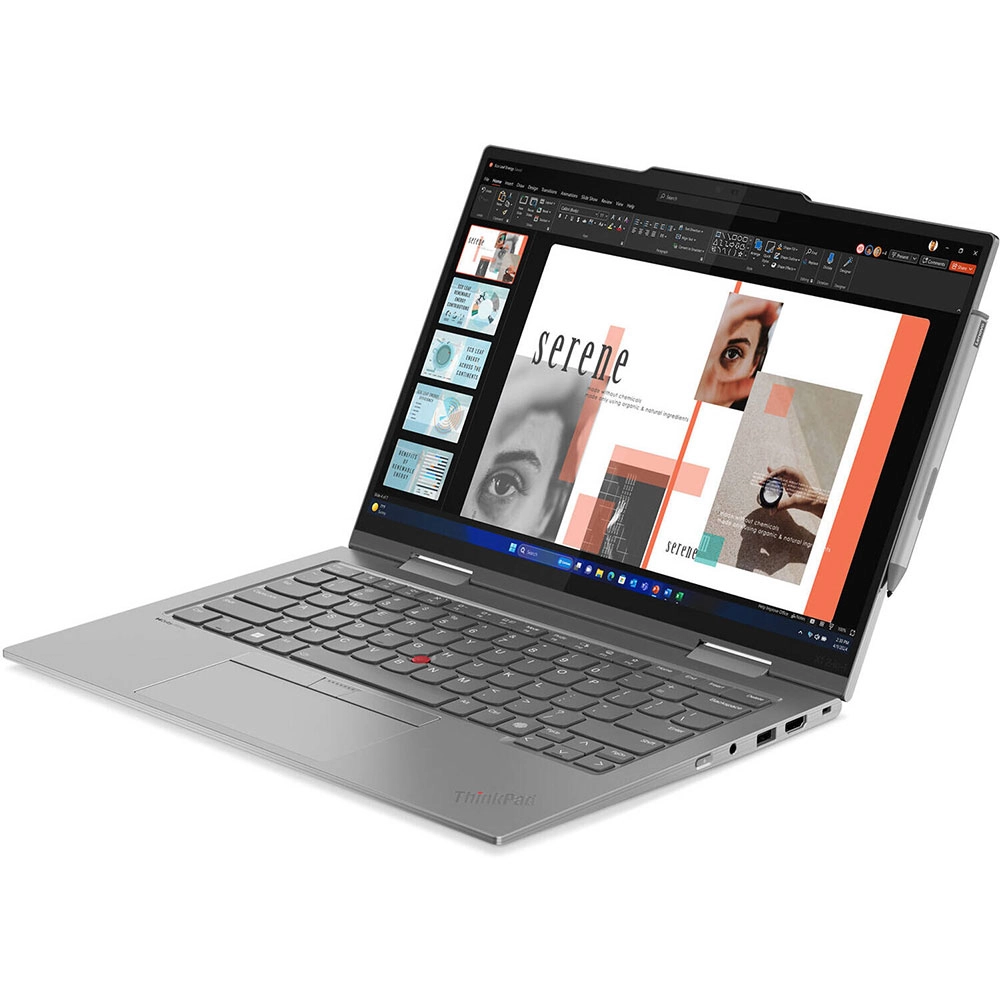
The system also supports Lenovo Slim Pen functionality. The pen can attach magnetically and supports tilt detection and USB-C charging. However, Lenovo lists the pen as a separately supplied accessory rather than a standard bundled item across all configurations.
These input options complement the touchscreen in different ways. The keyboard and TrackPoint suit conventional office work, while touch and pen input offer more direct interaction for handwriting, annotations and compatible creative applications.
Battery, Wireless Connectivity and Ports
A 57Wh rechargeable battery powers the system. Lenovo specifies support for Rapid Charge, which can recharge the battery to approximately 80% in one hour when the laptop is in the required charging state and connected to a compatible 65W adapter. Actual runtime depends on the display panel, workload, brightness, wireless activity and power settings.
Wireless connectivity can include Intel Wi-Fi 6E and, on selected configurations, Wi-Fi 7 hardware. Bluetooth 5.3 is also listed. These options support wireless networking and connections to compatible accessories such as headphones, mice and keyboards.
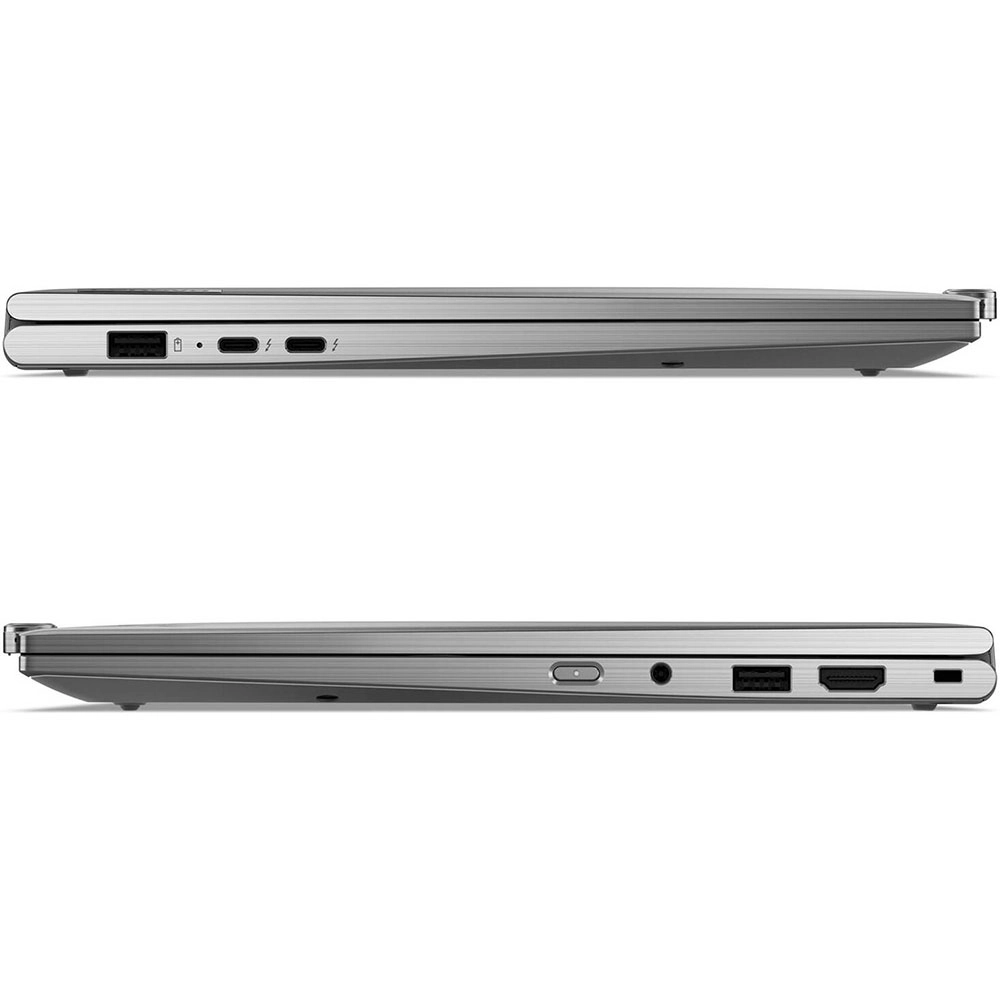
The physical connections provide several ways to attach external equipment:
- Two Thunderbolt 4 / USB4 ports with 40Gbps support, USB Power Delivery and DisplayPort.
- Two USB-A ports, including one Always On port.
- One HDMI 2.1 port supporting up to 4K at 60Hz.
- One 3.5mm headphone and microphone combo jack.
- An optional Nano-SIM slot on supported WWAN models.
The platform can support up to four independent displays in total, including the built-in screen and up to three external monitors through its HDMI and Thunderbolt connections. This makes the connectivity arrangement useful for desk-based work with multiple screens.
Security and Video Communication
Security features include a discrete TPM 2.0 chip, a fingerprint reader integrated into the keyboard and a physical camera privacy shutter. Selected configurations also include an infrared camera for Windows Hello facial recognition. These features provide different ways to protect access to the system and manage camera privacy.
For video calls, the platform offers camera options that include an FHD 1080p infrared camera or an 8MP infrared camera on selected display configurations. The stereo speaker system uses two 2W speakers with Dolby Atmos support, while the dual-microphone array supports Dolby Voice. Together, these components provide the hardware for online meetings, voice communication and multimedia playback.
Where This Configuration Fits
The ThinkPad X1 Yoga Gen 9 combines a low-power Core Ultra processor, 16GB of soldered memory and a fast NVMe storage drive in a convertible 14-inch chassis. Its strengths are the range of input methods, flexible screen positioning, business-oriented security features and modern external connectivity.
The integrated graphics and fixed memory capacity define some of its limitations. It is better suited to office productivity, communication, research, document handling and general multitasking than to demanding graphics production. The 360-degree hinge and touchscreen add flexibility to those everyday tasks, while Thunderbolt 4 and HDMI provide options for a more extensive desktop setup.
Final Overview
The Lenovo ThinkPad X1 Yoga Gen 9 brings together the Intel Core Ultra 5 125U, 16GB LPDDR5x memory and a 512GB PCIe 4.0 SSD in a compact 14-inch convertible design. Its touchscreen, 360-degree hinge, integrated pen support and versatile connectivity give it several ways to handle professional tasks. With its hybrid processor architecture and business-focused features, this configuration offers a flexible environment for everyday work across laptop, tablet, tent and stand modes.
| Brand | |
|---|---|
| Model | Lenovo ThinkPad X1 Yoga Gen 9 |
| Processor | |
| RAM | |
| Storage | |
| Graphics | |
| Screen Size | |
| Camera | Integrated Camera |
| Color | |
| Keyboard | Backlit Keyboard, US-English |
| Operating System | Windows 11 Pro |
| Condition | Used-Excellent (Fully Tested) |
| Battery | |
| Weight | 1.35 kg |
| Warranty | 3 Months |
Based on 0 reviews
Only logged in customers who have purchased this product may leave a review.
Related products
-
Surface Pro, Tablet and Detachable
Microsoft Surface Pro-7 2-in-1 Intel Core i5-1035G4 | 8GB RAM | 256GB SSD
-13% Surface Pro, Tablet and Detachable
Microsoft Surface Pro-7 2-in-1 Intel Core i5-1035G4 | 8GB RAM | 256GB SSD
Surface Pro, Tablet and DetachableMicrosoft Surface Pro-7 2-in-1 Intel Core i5-1035G4 | 8GB RAM | 256GB SSD
>
<tr class=”a-spacing-small po-brand” role=”listitem”>&amp;amp;amp;amp;amp;amp;amp;amp;amp;amp;amp;lt;span class=”a-size-base a-text-bold”>Brand and Model ass=”a-span9″ role=”presentation”>Microsoft Surface Pro 7</span>ass=”a-spacing-small po-model_name” role=”listitem”><strong>lass=””>=”a-size-base a-text-bold”>CPU model</span></span></strong><strong><span class=”a-size-base po-break-word”>Intel Core i5-1othe=”listitem”>
</table>
Platinum
o-break-word”>12.3 Inches Full HD</span></strong></td></td>
;span class=”a-size-base a-text-bold”>Screen size</td></td>
<td class=”a-span9″ role=””>=”presentation”>8GB DDR4</span></td>
>Colour</span>
“presentation”>Installed RAM memory size</span></strong> e=”presentation”><strong>class=”a-size-base a-text-bold”>Graphics card description &lt;strong>Intel UHD</strong> ass=”a-span3″ role=”presentation”><strong>Hard disk size</strong> “”a-span9</yoastmark”>” role=”presentation”>256GB SSD Nvme</strong></strong></td></td> e=””>=”presentation”><strong>< e=”presentation”>lass=”a-size-base p ass=”a-span3″>e=”presentation”&gt;<strong class=”a-span9″ role=”presentation”> SKU: Su70175 -
Surface Pro, Tablet and Detachable
Microsoft Surface Pro 7 + Core i5-11th 8GB 256GB SSD
Surface Pro, Tablet and DetachableMicrosoft Surface Pro 7 + Core i5-11th 8GB 256GB SSD
Brand and Model Microsoft Surface Pro 7+ CPU model Intel Core i5-11370H Installed RAM memory size 32GB DDR4 Graphics card description 4GB Nvidia RTX 3050 Hard disk size 512GB SSD Nvme Screen size 14.4 Inches Full HD Color Silver 
What is Tested Working?
This Renewed product is tested and certified to … more
How to deliver ?All delivery and payment options… more 
Warranty , Term and Condition?
In case you got problem and want to return … more
Order it easy ? Oder this item from whats-app Now.. more SKU: n/a -
Tablet and Detachable, Thinkpad X Series
Lenovo Thinkpad X1 Carbon Gen 10 Laptop – Ci7-12th, 32GB RAM, 512 SSD Storage
-10%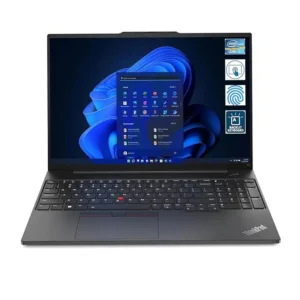 Tablet and Detachable, Thinkpad X Series
Lenovo Thinkpad X1 Carbon Gen 10 Laptop – Ci7-12th, 32GB RAM, 512 SSD Storage
Tablet and Detachable, Thinkpad X SeriesLenovo Thinkpad X1 Carbon Gen 10 Laptop – Ci7-12th, 32GB RAM, 512 SSD Storage
Brand and Model Lenovo ThinkPad X1 Carbon Gen 10 CPU model 12th Gen Intel Core i7 Installed RAM memory size 32GB LPDDR5-5200 Graphics card description Intel Iris Xe Graphics Hard disk size 512GB SSD NVMe Screen size 14 Inches Colour Deep Black SKU: n/a -
Surface Book, Tablet and Detachable
Microsoft Surface Book 3 Core i7-10th | 32GB 512GB 4GB Graphics
-11%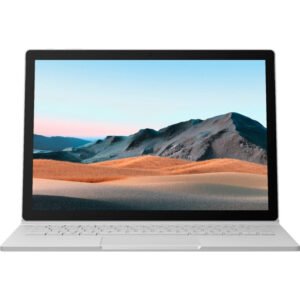 Surface Book, Tablet and Detachable
Microsoft Surface Book 3 Core i7-10th | 32GB 512GB 4GB Graphics
Surface Book, Tablet and DetachableMicrosoft Surface Book 3 Core i7-10th | 32GB 512GB 4GB Graphics
Brand and Model Microsoft Surface Book 3 CPU model Intel Core i7-10th Installed RAM memory size 16GB DDR4 Graphics card description Nvidia 4GB Hard disk size 512GB SSD Nvme Screen size 12.3 Inches Full HD Colour Silver SKU: Su70146
There are no reviews yet.