


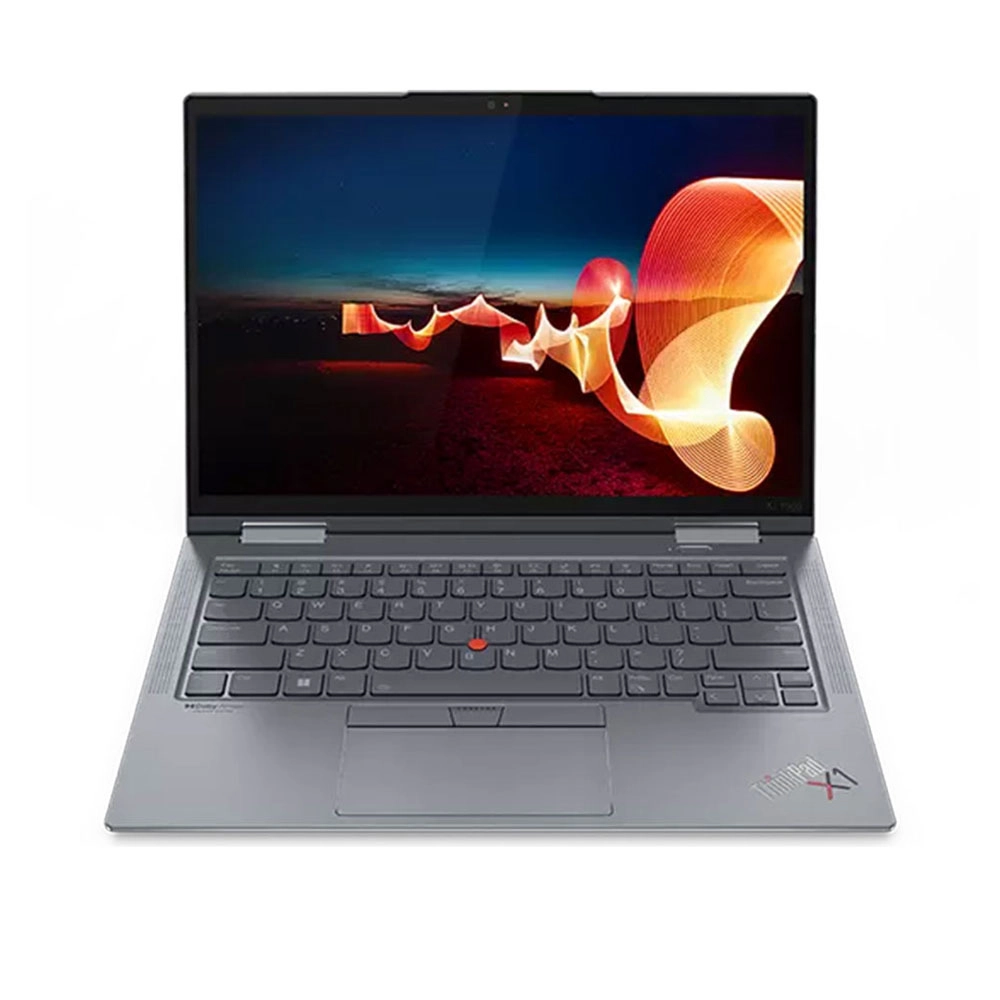
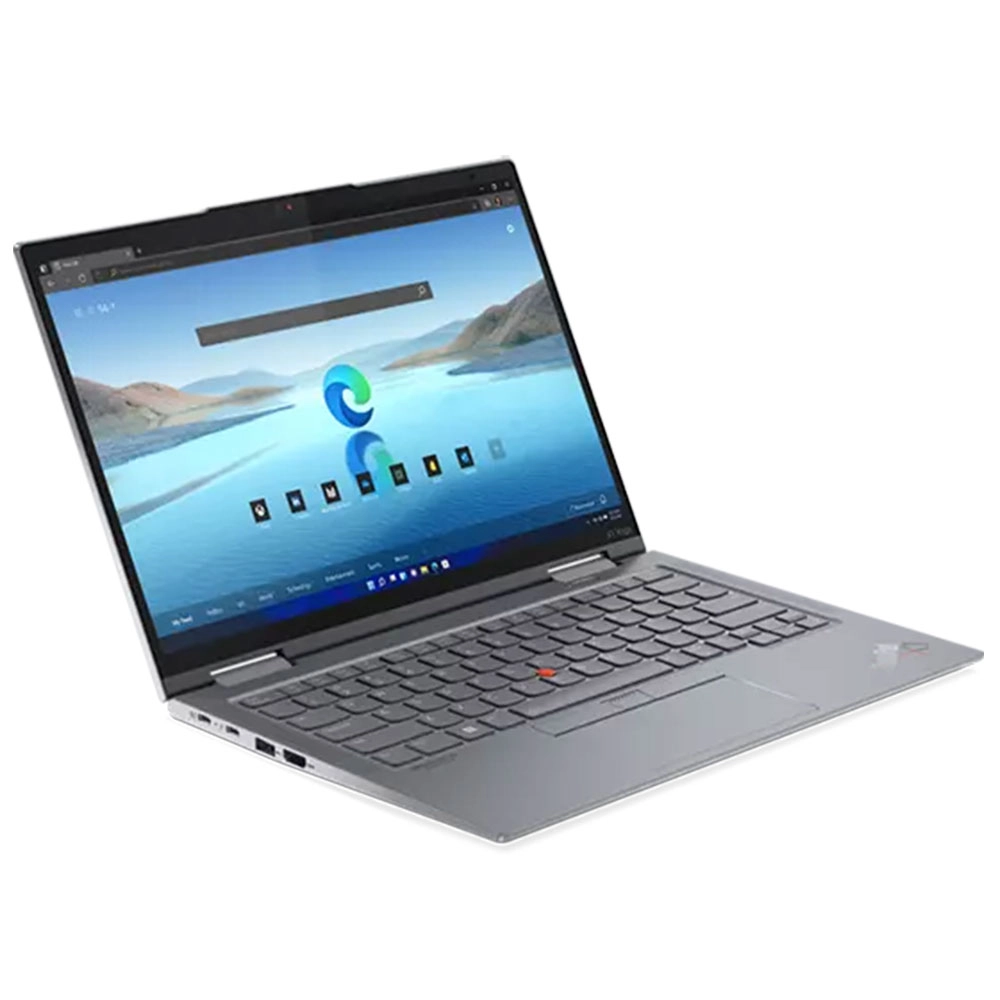
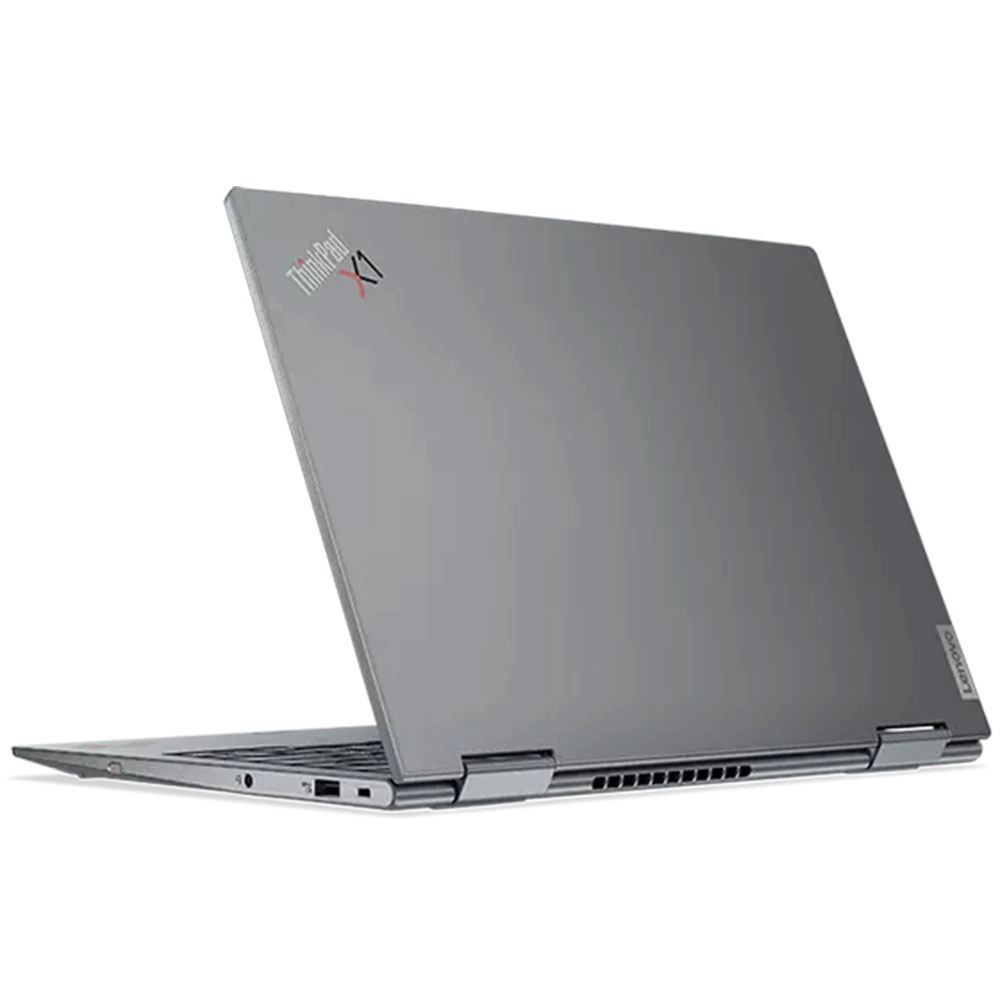
Lenovo Thinkpad X1 Yoga Gen 7 Laptop – Ci5-12th, 16GB RAM, 512 SSD Storage

| Brand and Model | Lenovo ThinkPad X1 Yoga Gen 7 |
|---|---|
| CPU model | Intel Core i5-1240P (12th Gen) |
| Installed RAM memory size | 16GB LPDDR5-5200 |
| Graphics card description | Integrated Intel Iris Xe Graphics |
| Hard disk size | 512GB SSD NVMe |
| Screen size | 14 Inches |
| Colour | Iron Grey |
1,500 AED 1,800 AED
Lenovo ThinkPad X1 Yoga Gen 7 Laptop – Core i5 12th Gen, 16GB RAM, 512GB SSD
The Lenovo ThinkPad X1 Yoga Gen 7 laptop introduces a hybrid processor architecture to Lenovo’s 14-inch convertible business series. This configuration combines a 12th Generation Intel Core i5 processor with 16GB of LPDDR5 memory and a 512GB PCIe SSD. Alongside its touchscreen and 360-degree hinge, the seventh-generation model brings Thunderbolt 4 connectivity, a built-in rechargeable pen and a redesigned internal platform for professional computing.
Technical Specifications
| Component | Specification |
|---|---|
| Brand | Lenovo |
| Model | ThinkPad X1 Yoga Gen 7 |
| Processor | 12th Gen Intel Core i5 |
| Processor example | Intel Core i5-1235U |
| Cores / Threads | 10 cores / 12 threads |
| Architecture | 2 Performance cores + 8 Efficient cores |
| Maximum frequency | Up to 4.4GHz on P-cores |
| Memory | 16GB LPDDR5-5200 |
| Memory upgradeability | Soldered, not upgradeable |
| Storage | 512GB M.2 PCIe NVMe SSD |
| Graphics | Integrated Intel Iris Xe Graphics |
| Display size | 14 inches |
| Display technology | IPS or OLED touchscreen, depending on configuration |
| Convertible design | 360-degree hinge |
| Digital pen | Integrated rechargeable Lenovo Pen |
| Battery | Integrated 57Wh |
| Wireless | Wi-Fi 6 or Wi-Fi 6E, Bluetooth 5.1 |
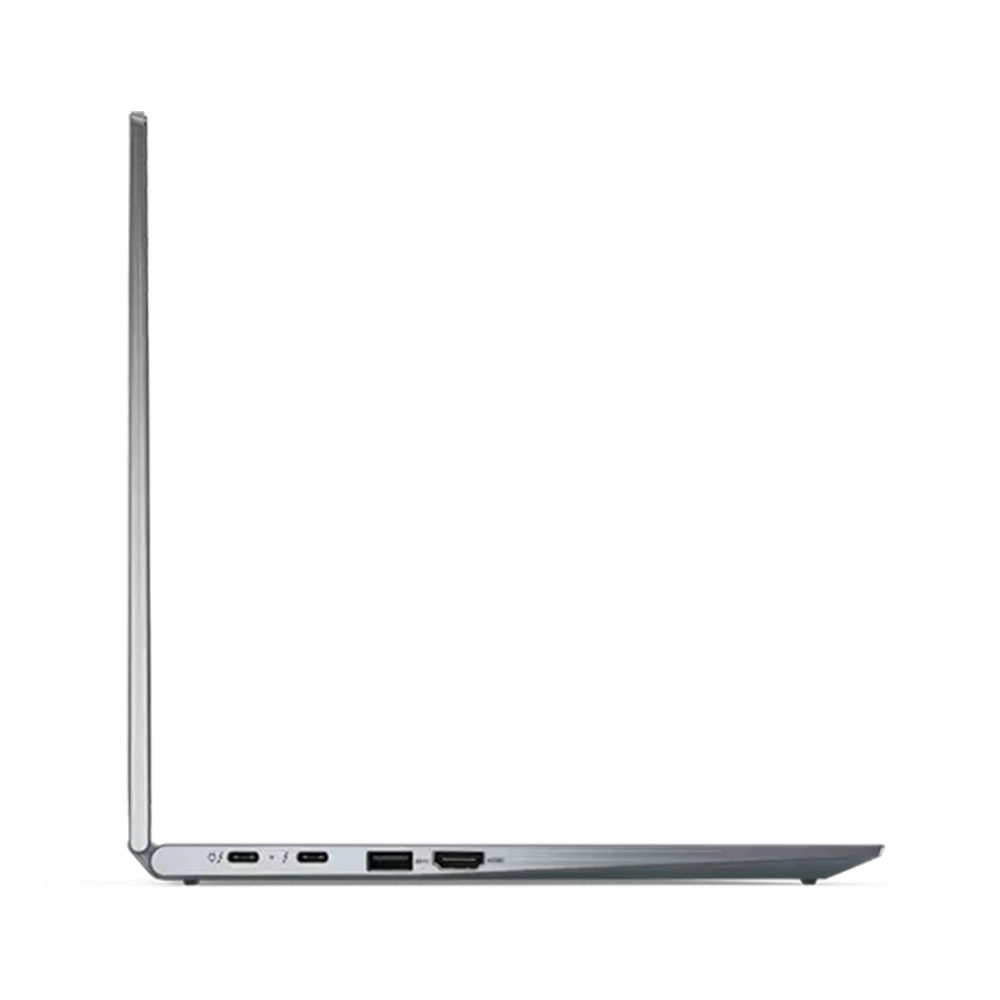
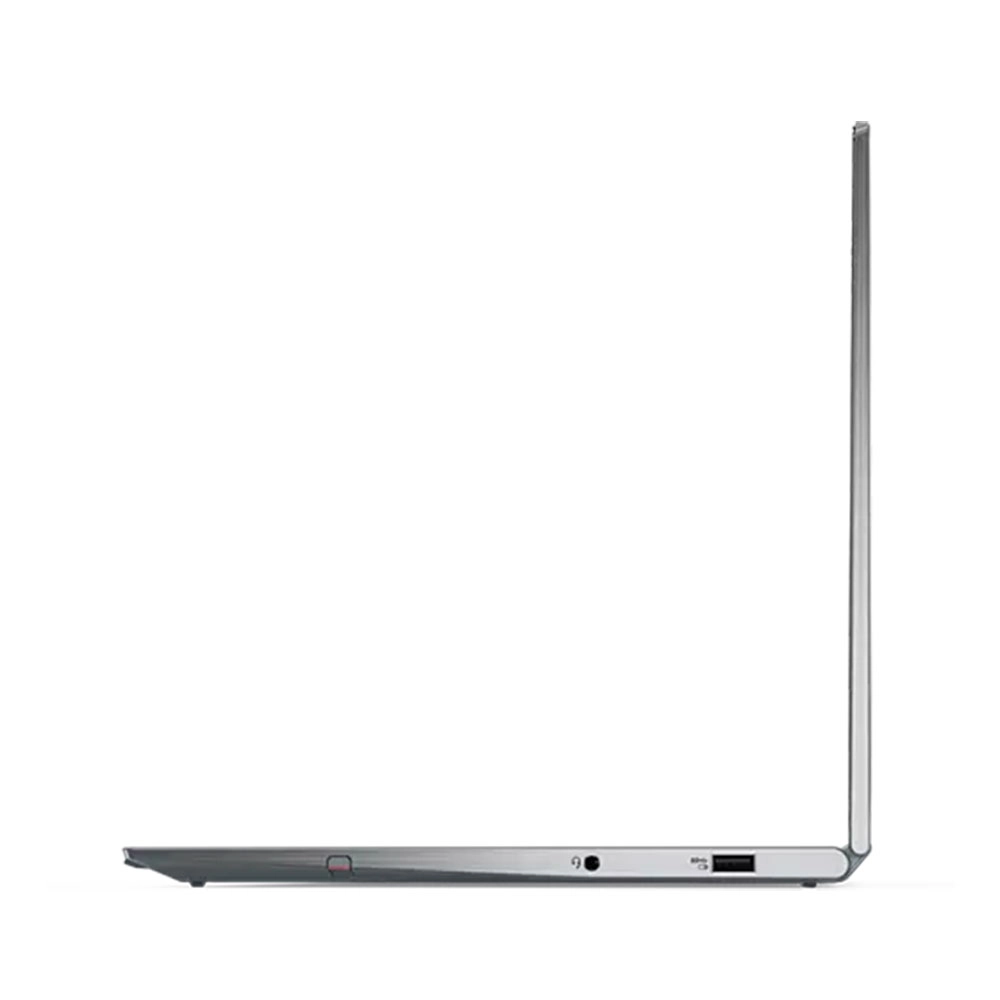
| Ports | 2× Thunderbolt 4, 2× USB-A, HDMI, audio combo |
| Chassis colour | Storm Grey |
| Chassis material | Aluminium |
A New Processor Generation Inside the X1 Yoga Series
The ThinkPad X1 Yoga Gen 7 moves the series to Intel’s 12th Generation Core platform. One documented Core i5 option is the Intel Core i5-1235U, which uses a hybrid architecture with two Performance cores and eight Efficient cores. It provides ten cores and twelve threads, with a maximum Performance-core frequency of 4.4GHz and 12MB of cache.
This arrangement separates demanding processing tasks from lighter background activity. Performance cores handle more intensive operations, while Efficient cores help manage less demanding processes. Consequently, the laptop can balance application responsiveness and background multitasking during a typical workday.
The processor is suitable for office applications, spreadsheets, web research, video calls and document-heavy workflows. It also supports general productivity across several open applications, although demanding 3D workloads and intensive graphics production require more specialised hardware.
16GB LPDDR5 Memory and System Responsiveness
The 16GB memory configuration uses LPDDR5 technology, operating at 5200MHz in the documented platform specification. This newer memory generation accompanies the 12th Gen processor and provides the system with bandwidth for application activity, multitasking and integrated graphics.
Lenovo sold the memory directly soldered to the system board. There are no conventional memory slots, so users cannot replace the installed modules or increase the capacity later. The 16GB configuration therefore represents the system’s fixed memory allocation.
For everyday workloads, this capacity can accommodate office software, multiple browser tabs, communication applications and document editing. However, users working with unusually large datasets or memory-intensive professional applications should account for the non-upgradeable design.
512GB PCIe SSD for Everyday File Access
The laptop’s 512GB SSD stores the operating system, applications and personal or business files. Lenovo specifies an M.2 2280 PCIe NVMe storage slot, with PCIe 4.0 x4 options available across the platform.
This solid-state storage design provides fast access to frequently used files and helps reduce application loading times. It also avoids the moving mechanical components found in traditional hard drives.
The system has one M.2 2280 storage slot, and Lenovo lists capacities up to 2TB for the model family. Unlike the soldered RAM, the SSD is a replaceable component, subject to compatibility and the specific installed drive.
Intel Iris Xe Graphics for Visual Workloads
The integrated graphics solution is Intel Iris Xe Graphics. Although the supplied specification lists Intel HD, Lenovo’s official documentation identifies Iris Xe for the supported 12th Generation Core processors.
The graphics processor shares system memory and handles the laptop’s display output, video playback, desktop effects and supported graphics acceleration. It also supports multiple external displays through the laptop’s Thunderbolt and HDMI connections.
This integrated GPU is designed for everyday visual tasks rather than demanding gaming or advanced 3D rendering. For office work, streaming, presentations and general display use, it provides the graphics capabilities expected from this class of convertible notebook.
14-Inch Display Options: IPS and OLED
Lenovo offers more than one display configuration for the X1 Yoga Gen 7. The IPS options use a WUXGA resolution of 1920 × 1200, a 16:10 aspect ratio and multi-touch input. Depending on the panel, brightness reaches 400 or 500 nits, with anti-glare or anti-reflection surface treatments.
A higher-end option uses a 14-inch OLED panel with WQUXGA resolution of 3840 × 2400. This panel supports 100% DCI-P3 colour coverage, SDR brightness of 400 nits and HDR brightness of up to 500 nits. Lenovo also lists Dolby Vision and DisplayHDR 400 support for this option.
The 16:10 screen layout gives documents and web pages more vertical room than a traditional 16:9 display. In addition, ten-point multi-touch support allows users to navigate compatible software directly on the screen. The exact panel technology and resolution depend on the machine’s configuration.
Four Convertible Modes and Integrated Pen
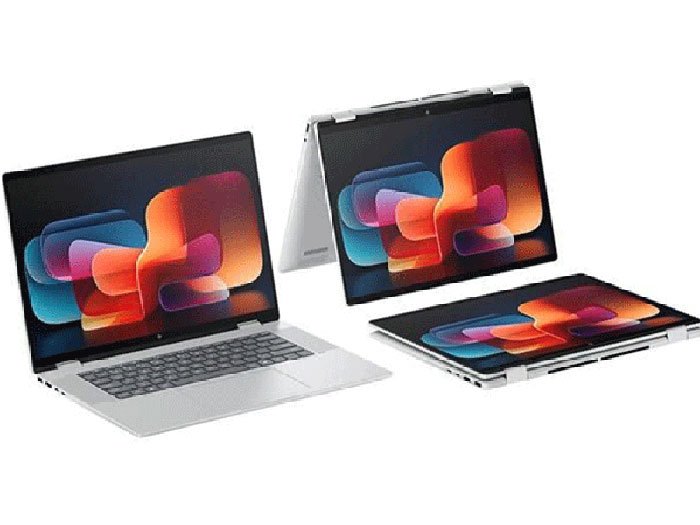
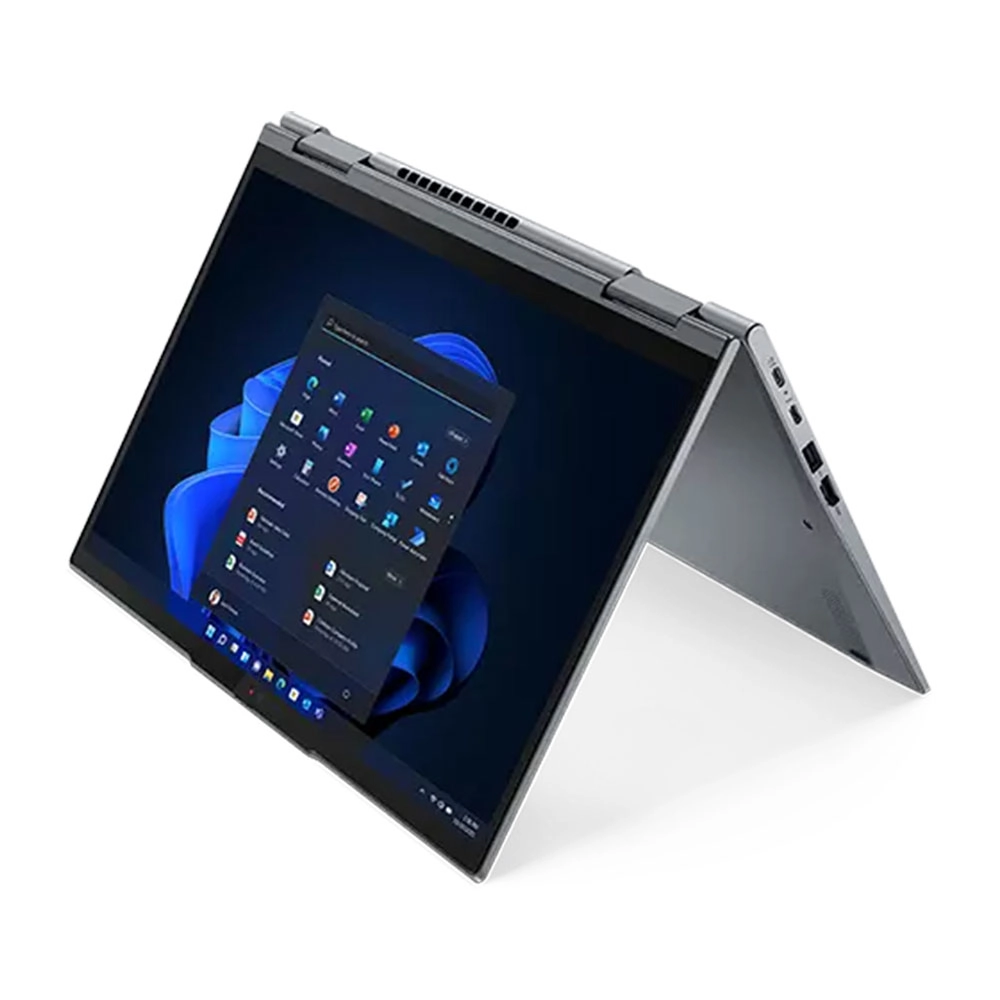
The X1 Yoga Gen 7 uses a 360-degree hinge to move between four positions. In laptop mode, the device works as a conventional notebook. Tent mode supports shared viewing or presentations, while stand mode positions the screen for watching content or interacting with the touchscreen. Folding the display completely around creates tablet mode.
Lenovo also integrates a rechargeable pen into the chassis. The pen supports 4,096 levels of pressure sensitivity and stores inside its dedicated compartment. It can be used for handwritten notes, annotations, signatures and sketches in compatible applications.
These features make the display more than a viewing surface. Users can switch between typing, touch navigation and pen input without carrying a separate stylus or changing devices.
Battery Capacity and Power Management
The laptop includes an integrated 57Wh lithium-polymer battery. Lenovo specifies Rapid Charge support, allowing the battery to reach up to 80% capacity in approximately one hour with a compatible 65W USB-C adapter.
Battery runtime depends on the processor, screen panel, brightness, wireless activity and workload. Lenovo’s published test results include up to 14.9 hours under MobileMark 2018 and up to 24.5 hours under JEITA 2.0 for a specified configuration. These figures come from controlled testing and do not represent guaranteed runtime in every usage scenario.
The power adapter connects through USB-C, which also supports Power Delivery. This allows the charging connection to work alongside the laptop’s broader USB-C and Thunderbolt functionality.
Thunderbolt 4 and External Device Support
Connectivity is a significant part of the Gen 7 platform. Two Thunderbolt 4 ports provide data transfer speeds of up to 40Gbps and support Power Delivery 3.0 and DisplayPort 1.4a. They can connect compatible docks, external storage and high-resolution monitors.
The remaining ports include two USB 3.2 Gen 1 Type-A connections, an HDMI port and a 3.5mm headphone and microphone combination jack. One USB-A port supports Always On functionality for compatible devices.
Lenovo specifies support for up to four independent displays: the built-in screen and three external monitors through Thunderbolt and HDMI. This capability can expand the working area when the laptop is connected to suitable monitors.
Wireless options include Intel Wi-Fi 6 AX201 or Wi-Fi 6E AX211, depending on configuration, with Bluetooth 5.1 listed in Lenovo’s platform documentation. Selected models also support optional mobile broadband connectivity.
Keyboard, Audio and Security
The ThinkPad keyboard has a six-row layout, LED backlighting and a spill-resistant design. Lenovo retains the TrackPoint pointing device and a glass-surface multi-touch touchpad, giving users different ways to navigate applications.
For audio and communication, the system includes two 2W woofers, two 0.8W tweeters and Dolby Atmos support. Its four-microphone array supports 360-degree far-field pickup and Dolby Voice. Camera configurations include Full HD 1080p options, with infrared functionality available on selected models.
Security features include a discrete TPM 2.0 chip, a fingerprint reader integrated into the power button, BIOS security controls and a camera privacy shutter. Some configurations also include an infrared camera for Windows Hello and additional presence-detection features.
Aluminium Chassis and Everyday Portability
Lenovo uses aluminium for both the top and bottom sections of the chassis. The Storm Grey finish gives the laptop a consistent appearance, while the compact 14-inch format keeps the system suitable for desk use and mobile work.
The official platform dimensions are approximately 314.4 × 222.3 × 15.53mm, with a starting weight of around 1.38kg. Actual weight can vary with the installed display and other hardware options.
The convertible hinge, integrated pen and touchscreen add functionality without changing the laptop’s overall business-oriented character. Meanwhile, the keyboard, TrackPoint and range of connection ports retain familiar ThinkPad features.
Workload Suitability and Hardware Limits
The Core i5 processor, 16GB memory and 512GB SSD form a platform for office productivity, communication, research and general multitasking. The touchscreen and pen also support workflows involving annotations, handwritten input and presentations.
There are some fixed hardware boundaries. The 16GB memory is soldered and cannot be upgraded, while Intel Iris Xe is integrated graphics rather than a dedicated GPU. In addition, the available screen technology ranges from IPS to OLED, so display resolution, brightness and colour characteristics depend on the installed panel.
Final Overview
The Lenovo ThinkPad X1 Yoga Gen 7 combines a 12th Generation Intel Core i5 processor with 16GB LPDDR5 memory and 512GB NVMe storage. Its hybrid processor architecture, 14-inch touchscreen and integrated rechargeable pen support a flexible working environment, while Thunderbolt 4 and Wi-Fi 6 connectivity extend its usefulness with external devices. The aluminium convertible design brings traditional ThinkPad controls together with touch and pen-based interaction.
| Brand | |
|---|---|
| Model | Lenovo ThinkPad X1 Yoga Gen 7 |
| Processor | |
| RAM | |
| Storage | |
| Graphics | |
| Screen Size | |
| Camera | Integrated Camera |
| Color | |
| Keyboard | Backlit Keyboard, US-English |
| Operating System | Windows 11 Pro |
| Condition | Used-Excellent (Fully Tested) |
| Battery | |
| Weight | 1.38 kg |
| Warranty | 3 Months |
Based on 0 reviews
Only logged in customers who have purchased this product may leave a review.
Related products
-
Surface Pro, Tablet and Detachable
Microsoft Surface Pro-7 2-in-1 Intel Core i5-1035G4 | 8GB RAM | 256GB SSD
-13% Surface Pro, Tablet and Detachable
Microsoft Surface Pro-7 2-in-1 Intel Core i5-1035G4 | 8GB RAM | 256GB SSD
Surface Pro, Tablet and DetachableMicrosoft Surface Pro-7 2-in-1 Intel Core i5-1035G4 | 8GB RAM | 256GB SSD
>
<tr class=”a-spacing-small po-brand” role=”listitem”>&amp;amp;amp;amp;amp;amp;amp;amp;amp;amp;amp;lt;span class=”a-size-base a-text-bold”>Brand and Model ass=”a-span9″ role=”presentation”>Microsoft Surface Pro 7</span>ass=”a-spacing-small po-model_name” role=”listitem”><strong>lass=””>=”a-size-base a-text-bold”>CPU model</span></span></strong><strong><span class=”a-size-base po-break-word”>Intel Core i5-1othe=”listitem”>
</table>
Platinum
o-break-word”>12.3 Inches Full HD</span></strong></td></td>
;span class=”a-size-base a-text-bold”>Screen size</td></td>
<td class=”a-span9″ role=””>=”presentation”>8GB DDR4</span></td>
>Colour</span>
“presentation”>Installed RAM memory size</span></strong> e=”presentation”><strong>class=”a-size-base a-text-bold”>Graphics card description &lt;strong>Intel UHD</strong> ass=”a-span3″ role=”presentation”><strong>Hard disk size</strong> “”a-span9</yoastmark”>” role=”presentation”>256GB SSD Nvme</strong></strong></td></td> e=””>=”presentation”><strong>< e=”presentation”>lass=”a-size-base p ass=”a-span3″>e=”presentation”&gt;<strong class=”a-span9″ role=”presentation”> SKU: Su70175 -
Business Laptops, Gaming Laptops, Office and Student, Tablet and Detachable
Surface Book 2 with Core i7-8th | 16GB 512GB
-13%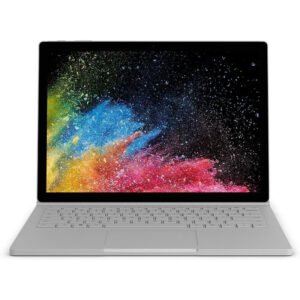 Business Laptops, Gaming Laptops, Office and Student, Tablet and Detachable
Surface Book 2 with Core i7-8th | 16GB 512GB
Business Laptops, Gaming Laptops, Office and Student, Tablet and DetachableSurface Book 2 with Core i7-8th | 16GB 512GB
“>ss=”a-span3″ role=”presentation”>Graphics card description“presentation”>6GB Graphics (NVIDIA)
&am p;lt
;sp
an class=”a-size-base a-text-bold”>Brand and Model lass=”a-size-
base po-bre
ak-word”>Microsoft Surface Book 2&amp;amp;lt;/strong>e=”presentation”><strong>CPU model<strong>Intel Core i7-8thInstalled RAM memory size</span>16GB DDR4s=”a-span3″>e=”presentation”>Hard disk size<strong><span class=”a-size-base po-break-word”>512GB SSD NvmeScreen size</strong>
15.6 Inches Full HDColourSilver
SKU: Su70148 -
Surface Pro, Tablet and Detachable
Microsoft Surface Pro7 Core i7-10th | 16GB 512GB
Surface Pro, Tablet and DetachableMicrosoft Surface Pro7 Core i7-10th | 16GB 512GB
Brand and Model Microsoft Surface Pro 7 CPU model Intel Core i7-1oth Installed RAM memory size 16GB DDR4 Graphics card description s=”a-span9″ role=”presentation”>Intel UHD lass=”a-size-base a-text-bold”>Hard disk size 512GB SSD Nvme Screen size 12.3 Inches Full HD Colour Platinum SKU: Su70173 -
Surface Pro, Tablet and Detachable
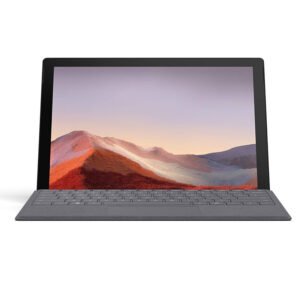
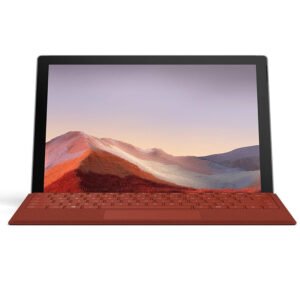
Microsoft Surface Pro 7+ Core i5-11th | 8GB 256GB
Surface Pro, Tablet and DetachableMicrosoft Surface Pro 7+ Core i5-11th | 8GB 256GB
<td class=”a-span9″ role=”presentation”>256GB SSD Nvme
ss=”a-normal a-spacing-micro” role=”list” width=”484″>ss=”a-spacing-small po-hard_disk.size” role=”listitem”>Hard disk size
” role=”listitem”><span class=”a-size-base a-text-bold”>Screen size“a-size-base po-break-word”>12.3 Inches Full HD
ole=”listitem”>
<td class=”a-span3″ role=”presentation”><strong><span class=”yoast-text-mark”>ss=”a-size-base a-text-bold”>Colour</strong>s=”a-size-base po-break-word”>Platinum</strong>
s=”a-span3″>ole=”presentation”>CPU model<span class=”a-size-base po-break-word”>Intel Core i5-11th</td>
<td class=””<strong”>Microsoft Surface Pro 7+&amp;amp;amp;amp;amp;amp;amp;amp;amp;amp;amp;amp;amp;amp;amp;amp;amp;amp;amp;amp;amp;amp;amp;amp;amp;amp;amp;amp;amp;amp;lt;/span></span>role=”listitem”></p>
<p>ss=”a-spacing-small po-brand”>”a-spacing-small po-display.size”></p>
</tbody></p>
<p>></p>
<tr class=”yoast-text-mark”>role=””>=””>=””>=”presentation”><strong>ss=”a-size-base a-text-bold”>Brand and Model </tbody>
<td class=”yoast-text-mark”>s=”a-span3″ role=”presentation”><strong><span class=”yoast-text-mark”>ss=”a-size-base a-text-bold”>Installed RAM memory size&lt;/span></span>”presentation”&amp;gt;&
lt;strong&<p>gt;</p>
<p>ass=”</yoastmark”>”a-span3″ role=”presentation”><strong>>Graphics card descriptionrole=”presentation”>><strong>Intel UHD</strong>
SKU: Su70172
There are no reviews yet.