

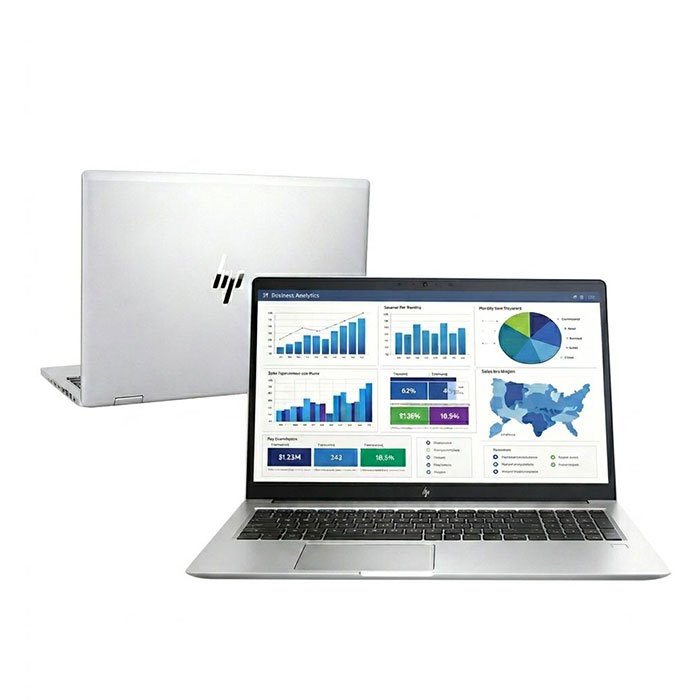

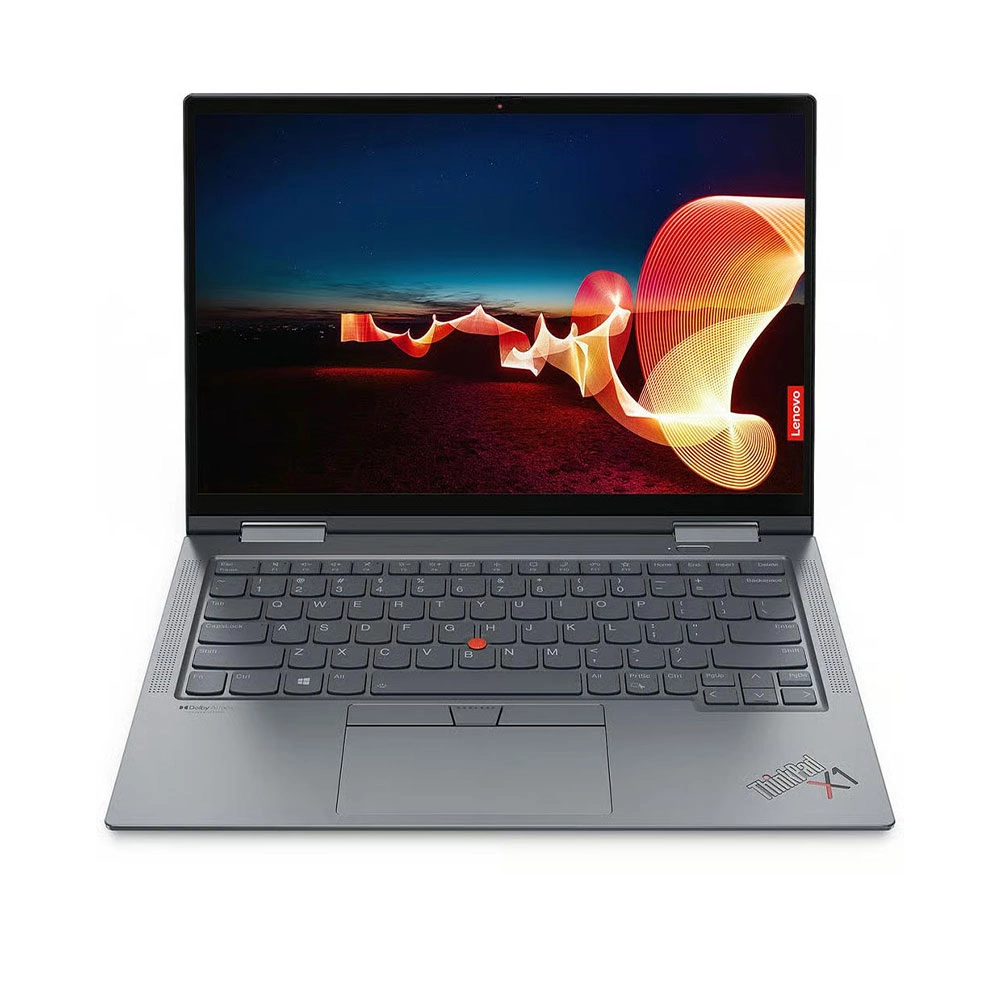
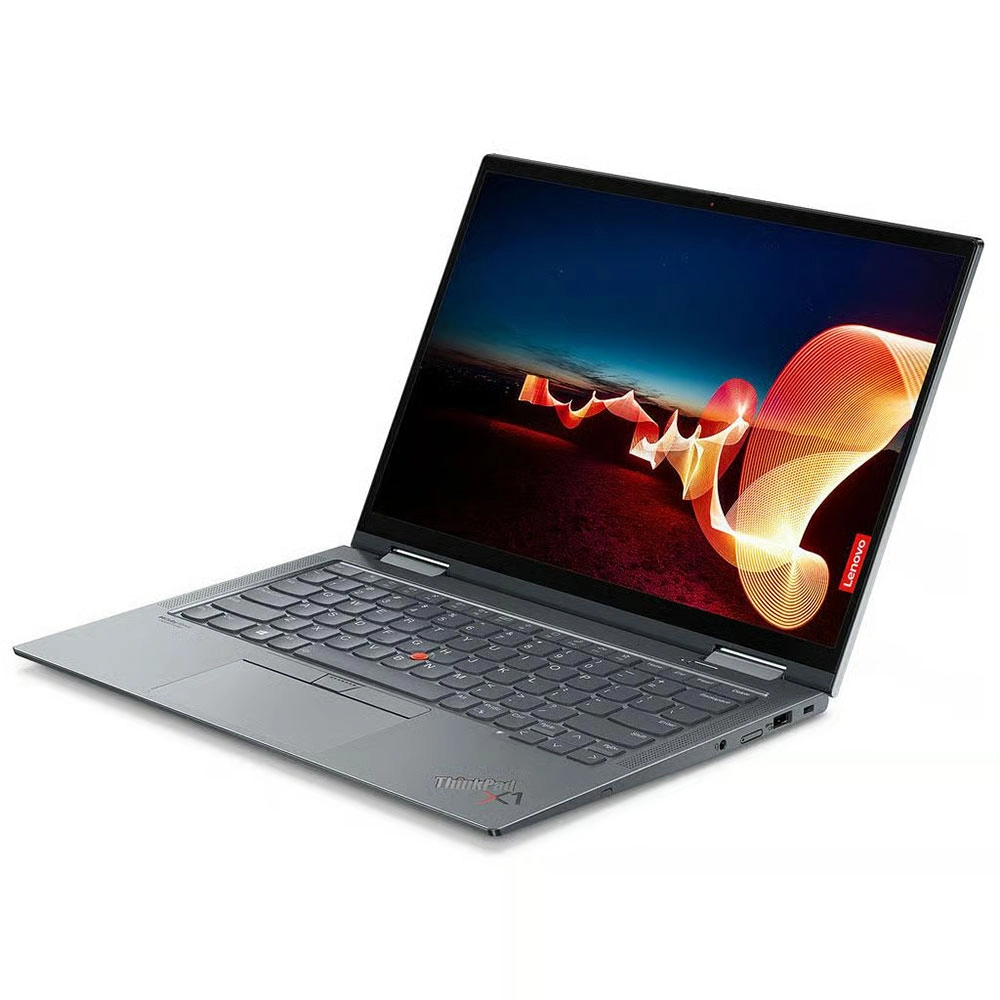
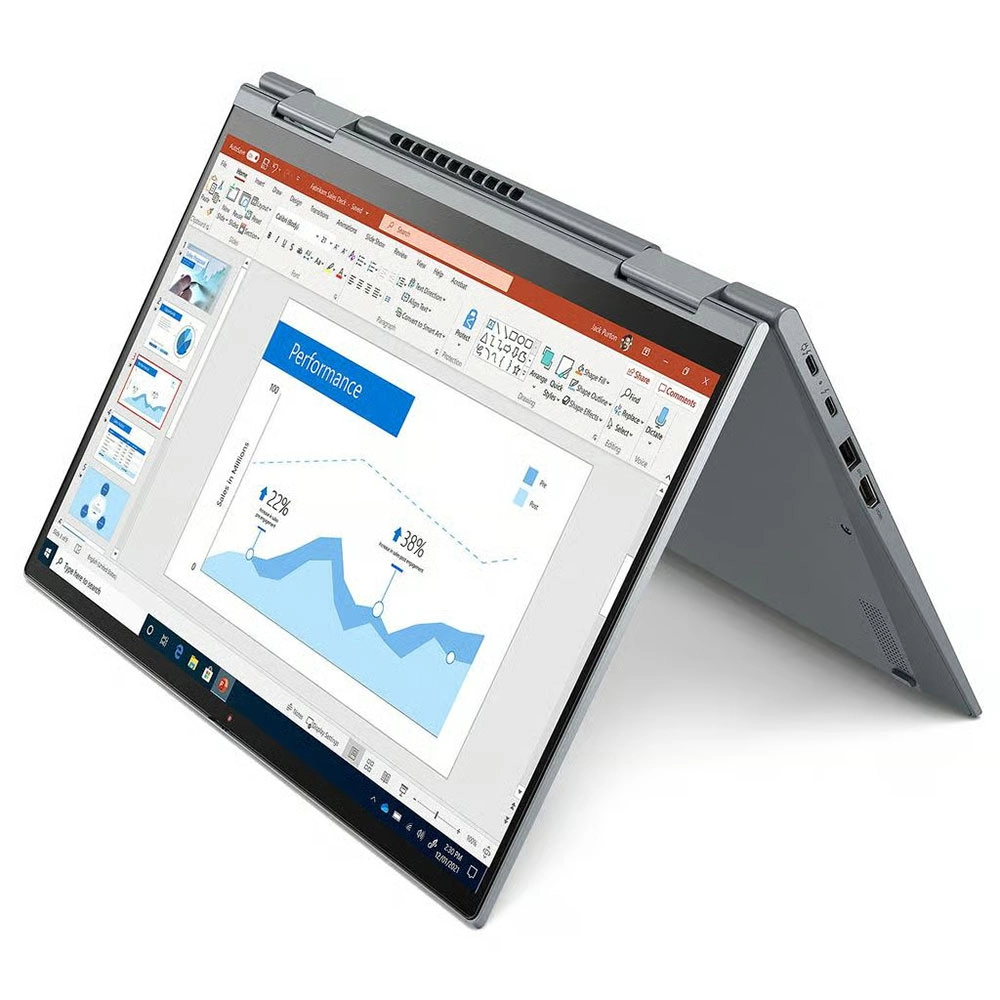
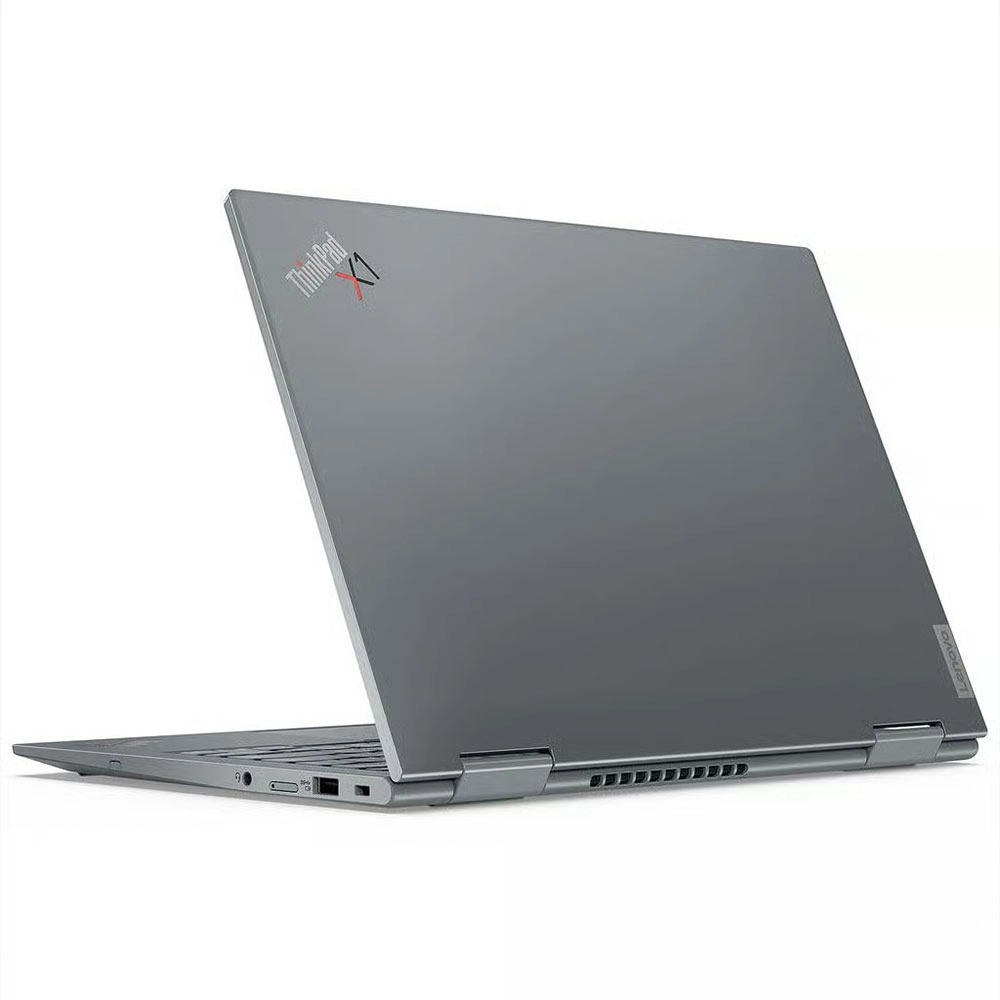
Lenovo Thinkpad X1 Yoga Gen 6 Laptop – Ci7-11th, 16GB RAM, 512 SSD Storage

| Brand and Model | Lenovo ThinkPad X1 Yoga Gen 6 |
|---|---|
| CPU model | Intel Core i7-1165G7 (11th Gen) |
| Installed RAM memory size | 16GB LPDDR4x-4266 |
| Graphics card description | Integrated Intel Iris Xe Graphics |
| Hard disk size | 512GB SSD NVMe |
| Screen size | 14 Inches |
| Colour | Iron Grey |
1,300 AED 1,500 AED
Lenovo ThinkPad X1 Yoga Gen 6 Laptop – Core i7 11th Gen, 16GB RAM, 512GB SSD
The Lenovo ThinkPad X1 Yoga Gen 6 laptop brings an 11th Generation Intel Core i7 processor to a convertible 14-inch business notebook. This configuration combines the Core i7-1165G7 with 16GB of LPDDR4x memory and a 512GB NVMe SSD. Its aluminium construction, integrated pen and high-resolution touchscreen make it more than a conventional office laptop: the system is designed to support both keyboard-based work and direct interaction with the display.
Technical Specifications
| Component | Specification |
|---|---|
| Brand | Lenovo |
| Model | ThinkPad X1 Yoga Gen 6 |
| Processor | Intel Core i7-1165G7, 11th Gen |
| CPU cores / threads | 4 cores / 8 threads |
| Processor frequency | 2.8GHz base, up to 4.7GHz |
| Cache | 12MB |
| Memory | 16GB LPDDR4x-4266 |
| Memory upgradeability | Soldered, not upgradeable |
| Storage | 512GB M.2 PCIe NVMe SSD |
| Graphics | Integrated Intel Iris Xe Graphics |
| Display size | 14 inches |
| Display | IPS touchscreen, panel varies by configuration |
| Convertible mechanism | 360-degree hinge |
| Pen | Integrated Lenovo Pen |
| Battery | Integrated 57Wh |
| Wireless | Wi-Fi 6, Bluetooth |
| Ports | 2× Thunderbolt 4, 2× USB-A, HDMI 2.0, audio combo |
| Chassis | Aluminium |
| Colour | Storm Grey |
Core i7 Architecture and Processing Capability
At the centre of this configuration sits the Intel Core i7-1165G7, a four-core, eight-thread processor from Intel’s 11th Generation Core family. It operates at a base frequency of 2.8GHz and can reach up to 4.7GHz, with 12MB of cache.
This processor gives the laptop the resources to handle a varied professional workload. For example, users can work with spreadsheets, prepare presentations, manage documents and participate in online meetings while keeping several applications open. Its integrated platform also combines CPU and graphics functions without requiring a separate graphics card.
The processor’s design prioritises efficient performance in a thin mobile computer. As a result, the X1 Yoga Gen 6 fits tasks such as business administration, communication, research and general productivity more naturally than sustained high-performance rendering or intensive 3D workloads.
A 14-Inch Screen Designed for More Than Typing
The display plays a central role in this model. Lenovo offers several 14-inch IPS touchscreen configurations, with options ranging from WUXGA 1920 × 1200 to WQUXGA 3840 × 2400. Depending on the installed panel, users may find features such as 400- or 500-nit brightness, anti-glare treatment, wide colour coverage and DisplayHDR 400 support.
The 16:10 aspect ratio provides additional vertical space compared with a conventional 16:9 display. This layout is useful when reviewing long documents, reading web pages or working with spreadsheets. Furthermore, ten-point multi-touch support allows users to interact with compatible applications using their fingers.
Because Lenovo offered different display panels, the exact resolution and brightness should be matched to the machine’s specific configuration. The 14-inch size and touchscreen design, however, are core parts of the X1 Yoga experience.
Four Modes for Different Tasks
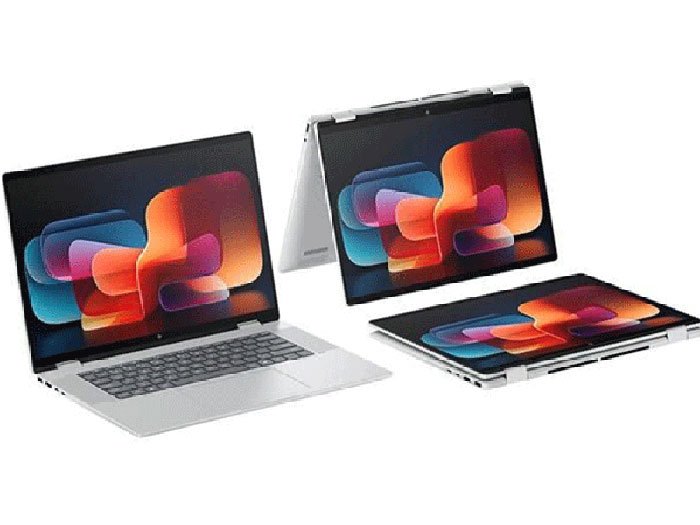
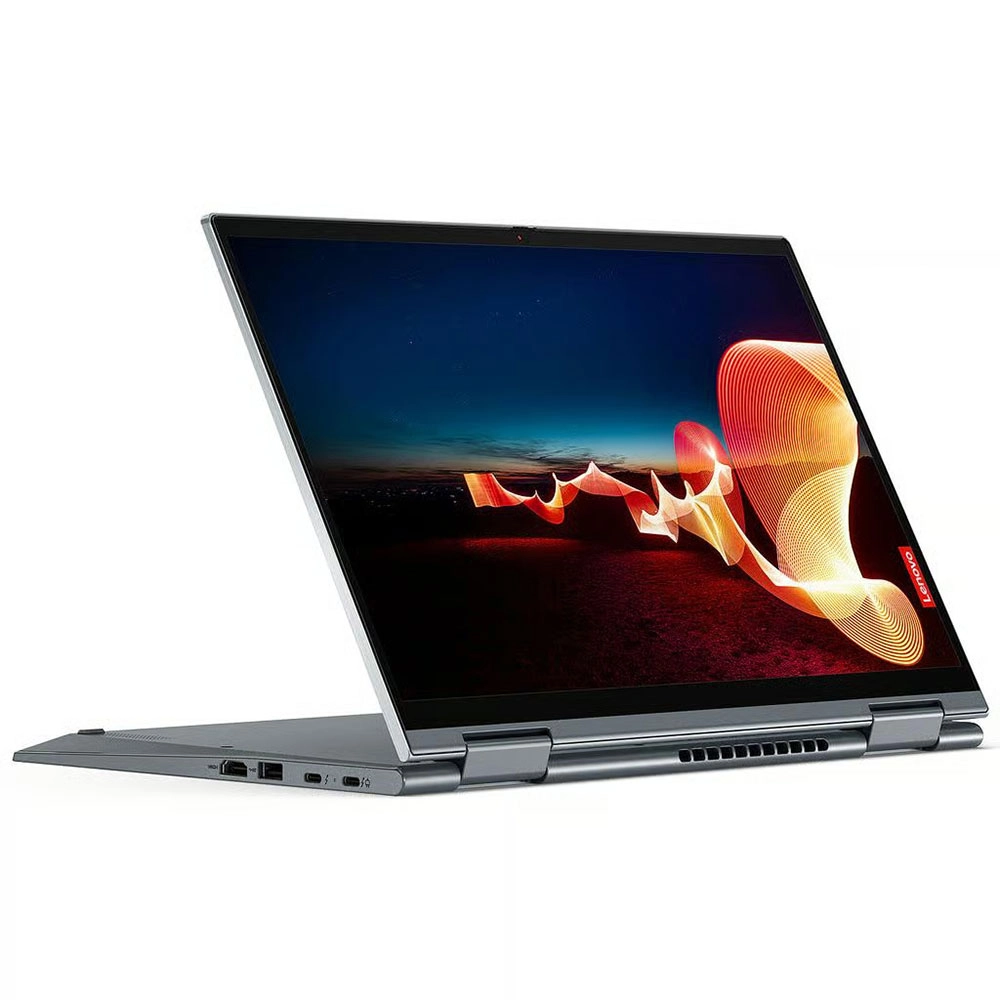
The convertible hinge changes how the laptop can be used throughout the day. In standard laptop mode, the keyboard and touchpad provide the familiar arrangement for writing and office work. Rotating the screen through its 360-degree hinge creates three additional positions.
- Tablet mode: folds the display over the keyboard for touch and pen interaction.
- Stand mode: places the screen forward while the keyboard sits behind it, useful for viewing content.
- Tent mode: supports the device in an inverted V shape for presentations or shared viewing.
This flexibility is particularly relevant when a task moves between typing, reading, presenting and writing directly on the screen. Instead of switching between separate devices, users can reposition the same computer.
Integrated Lenovo Pen for Handwritten Input
Lenovo includes an integrated pen in supported X1 Yoga Gen 6 configurations. The pen sits inside the chassis and recharges in its storage compartment, reducing the need to carry a separate accessory.
It supports 4,096 levels of pressure sensitivity, allowing compatible applications to respond to different writing and drawing pressure. This makes it suitable for handwritten notes, document annotations, signatures and simple sketches. Combined with the touchscreen and tablet mode, the pen adds a more direct way to interact with information than a keyboard or touchpad alone.
16GB LPDDR4x Memory
The system uses 16GB of LPDDR4x-4266 memory. This capacity supports everyday multitasking, including switching between office software, browser tabs, communication applications and document tools.
However, the memory is soldered to the motherboard rather than installed in removable modules. The laptop does not provide conventional RAM slots, so users cannot increase the installed 16GB through a standard upgrade. This fixed memory arrangement is an important characteristic of the configuration.
512GB NVMe Storage
A 512GB M.2 NVMe SSD provides local space for applications, documents, media and operating system files. Its PCIe interface supports responsive access to stored data, helping applications launch and files load without the mechanical delays of a traditional hard drive.
Lenovo’s configuration records include PCIe 4.0 x4 storage options for this generation. The single M.2 storage slot also means that replacing the installed drive is a different process from upgrading memory: the SSD is removable, while the RAM remains soldered.
Intel Iris Xe Graphics
The Core i7-1165G7 integrates Intel Iris Xe Graphics. This is the correct graphics designation for the documented processor configuration; it is not Intel HD Graphics.
Iris Xe handles the laptop’s display output, video playback, everyday visual effects and supported graphics acceleration. It can also support compatible external-monitor workflows. Nevertheless, it remains an integrated GPU that shares system memory, rather than a discrete graphics processor with its own dedicated video memory.
For this reason, the graphics system is best suited to general productivity, media and lighter creative applications rather than demanding gaming or intensive 3D production.
Thunderbolt 4 and Display Connectivity
The X1 Yoga Gen 6 provides two Thunderbolt 4 ports, giving it flexible options for connecting external equipment. These ports support high-speed data transfer, Power Delivery and DisplayPort output through compatible devices. A compatible dock can expand the available connections and help create a desktop-style workstation.
Lenovo also includes two USB-A 3.2 Gen 1 ports, HDMI 2.0 and a 3.5mm headphone and microphone combination jack. One USB-A connection supports Always On functionality. Together, these ports accommodate common peripherals such as external storage, keyboards, mice and monitors.
Wireless networking comes from Intel Wi-Fi 6, while Bluetooth supports compatible wireless accessories. This combination gives the laptop both wired and wireless connection options for office and mobile environments.
Battery and Mobile Operation
A built-in 57Wh battery supplies power to the laptop. Lenovo also specifies Rapid Charge support, allowing the battery to reach up to 80% capacity in approximately one hour when paired with a compatible 65W USB-C power adapter.
Actual battery life depends on the screen configuration, brightness, processor activity, wireless use and battery condition. The higher-resolution display options may also affect power consumption compared with lower-resolution panels. Consequently, battery performance varies with the way the device is configured and used.
Aluminium Construction and ThinkPad Controls
The laptop uses an aluminium chassis with a Storm Grey finish. Its 14-inch format keeps the display large enough for document work while maintaining a portable form factor. The starting weight for the model family is approximately 1.399kg, although the final weight can vary with the installed display and other components.
Input remains a key part of the ThinkPad design. The backlit keyboard supports typing in different lighting conditions, while the TrackPoint and touchpad provide alternative cursor controls. The combination is useful for users who prefer the traditional ThinkPad pointing layout.
The system also includes business-oriented security features such as a fingerprint reader, TPM 2.0 and a camera privacy shutter on supported configurations. Camera and infrared features vary by model, while the platform’s microphone array and Dolby Atmos speaker system support video calls and everyday media playback.
Everyday Professional Use and Limitations
The Core i7 processor, 16GB memory and 512GB SSD provide a capable foundation for office work, online communication, research and multitasking. The convertible design adds value to workflows that involve reading, presenting, annotating or writing directly on the screen.
There are also clear hardware limits. The 16GB memory cannot be upgraded, and Intel Iris Xe is not a substitute for a dedicated graphics card in demanding visual workloads. Display specifications differ between configurations, so two X1 Yoga Gen 6 laptops may not have the same resolution or brightness despite sharing the same model name.
Final Overview
The Lenovo ThinkPad X1 Yoga Gen 6 combines an 11th Generation Core i7 processor with 16GB of LPDDR4x memory and 512GB of NVMe storage. Its 14-inch touchscreen, integrated pen and four convertible modes support a flexible approach to everyday computing. With Thunderbolt 4 connectivity, an aluminium chassis and familiar ThinkPad controls, it brings together mobile productivity and direct touchscreen interaction in one device.
| Brand | |
|---|---|
| Model | Lenovo ThinkPad X1 Yoga Gen 6 |
| Processor | |
| RAM | |
| Storage | |
| Graphics | |
| Screen Size | |
| Camera | Integrated Camera |
| Color | |
| Keyboard | Backlit Keyboard, US-English |
| Operating System | Windows 11 Pro |
| Condition | Used-Excellent (Fully Tested) |
| Battery | |
| Weight | 1.4 kg |
| Warranty | 3 Months |
Based on 0 reviews
Only logged in customers who have purchased this product may leave a review.
Related products
-
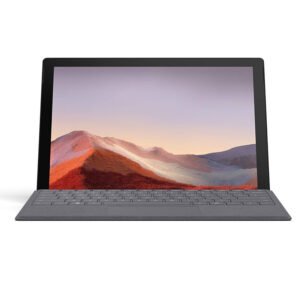
Surface Pro, Tablet and Detachable
Microsoft Surface Pro7 Core i7-10th | 16GB 512GB
Surface Pro, Tablet and DetachableMicrosoft Surface Pro7 Core i7-10th | 16GB 512GB
Brand and Model Microsoft Surface Pro 7 CPU model Intel Core i7-1oth Installed RAM memory size 16GB DDR4 Graphics card description s=”a-span9″ role=”presentation”>Intel UHD lass=”a-size-base a-text-bold”>Hard disk size 512GB SSD Nvme Screen size 12.3 Inches Full HD Colour Platinum SKU: Su70173 -
Surface Pro, Tablet and Detachable
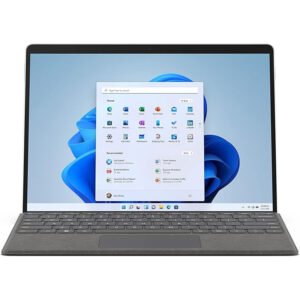
Microsoft Surface Pro 8 with Core i7-11th | 16GB 256GB
Surface Pro, Tablet and DetachableMicrosoft Surface Pro 8 with Core i7-11th | 16GB 256GB
ass=”a-spacing-small po-hard_disk.size” role=”listitem”>
><strong>=””>=”a-size-base a-text-bold”>Graphics card description</td>
=”presentation”>Brand and Model Microsoft Surface Pro 8 role=”presentation”>CPU model Intel Core i7 (11th Gen) Processor Installed RAM memory size <strong>16GB DDR4 >Intel UHD</strong></strong> Hard disk size s=”a-span9″ role=”presentation”>>>>>256GB SSD Nvme</strong> le=”presentation”>Screen size <span class=”a-size-base po-break-word”>12.3 Inches Full HD</td></td></td> lass=”a-span3″ role=””>=”</yoastmark”>”presentation”>Colour Silver SKU: Su70169 -
Surface Pro, Tablet and Detachable
Microsoft Surface Pro-7 2-in-1 Intel Core i5-1035G4 | 8GB RAM | 256GB SSD
-13% Surface Pro, Tablet and Detachable
Microsoft Surface Pro-7 2-in-1 Intel Core i5-1035G4 | 8GB RAM | 256GB SSD
Surface Pro, Tablet and DetachableMicrosoft Surface Pro-7 2-in-1 Intel Core i5-1035G4 | 8GB RAM | 256GB SSD
>
<tr class=”a-spacing-small po-brand” role=”listitem”>&amp;amp;amp;amp;amp;amp;amp;amp;amp;amp;amp;lt;span class=”a-size-base a-text-bold”>Brand and Model ass=”a-span9″ role=”presentation”>Microsoft Surface Pro 7</span>ass=”a-spacing-small po-model_name” role=”listitem”><strong>lass=””>=”a-size-base a-text-bold”>CPU model</span></span></strong><strong><span class=”a-size-base po-break-word”>Intel Core i5-1othe=”listitem”>
</table>
Platinum
o-break-word”>12.3 Inches Full HD</span></strong></td></td>
;span class=”a-size-base a-text-bold”>Screen size</td></td>
<td class=”a-span9″ role=””>=”presentation”>8GB DDR4</span></td>
>Colour</span>
“presentation”>Installed RAM memory size</span></strong> e=”presentation”><strong>class=”a-size-base a-text-bold”>Graphics card description &lt;strong>Intel UHD</strong> ass=”a-span3″ role=”presentation”><strong>Hard disk size</strong> “”a-span9</yoastmark”>” role=”presentation”>256GB SSD Nvme</strong></strong></td></td> e=””>=”presentation”><strong>< e=”presentation”>lass=”a-size-base p ass=”a-span3″>e=”presentation”&gt;<strong class=”a-span9″ role=”presentation”> SKU: Su70175 -
Surface Book, Tablet and Detachable
Surface Book-2 Core i7-8th Gen 16GB RAM 512GB SSD 2GB Graphics
-11% Surface Book, Tablet and Detachable
Surface Book-2 Core i7-8th Gen 16GB RAM 512GB SSD 2GB Graphics
Surface Book, Tablet and DetachableSurface Book-2 Core i7-8th Gen 16GB RAM 512GB SSD 2GB Graphics
<td class=”a-span3″ role=”presentation”>Color
Brand and Model Microsoft Surface Book 2 CPU model Intel Core i7-8650U Installed RAM memory size 16GB DDR4 Graphics card description 2GB Nvidia 1050GTX</td> Hard disk size 512GB SSD Nvme Screen size 13.5 Inches Full HD</span> Silver 
What is Tested Working?
This Renewed product is tested and certified to … more
How to deliver ?All delivery and payment options… more</a> ref=”https://idita.com/terms-and-conditions/”> 
Warranty , Term and Condition?
</span>In case you got problem and want to return … more
Order it easy ? Oder this item from whats-app Now.. more SKU: n/a
There are no reviews yet.