


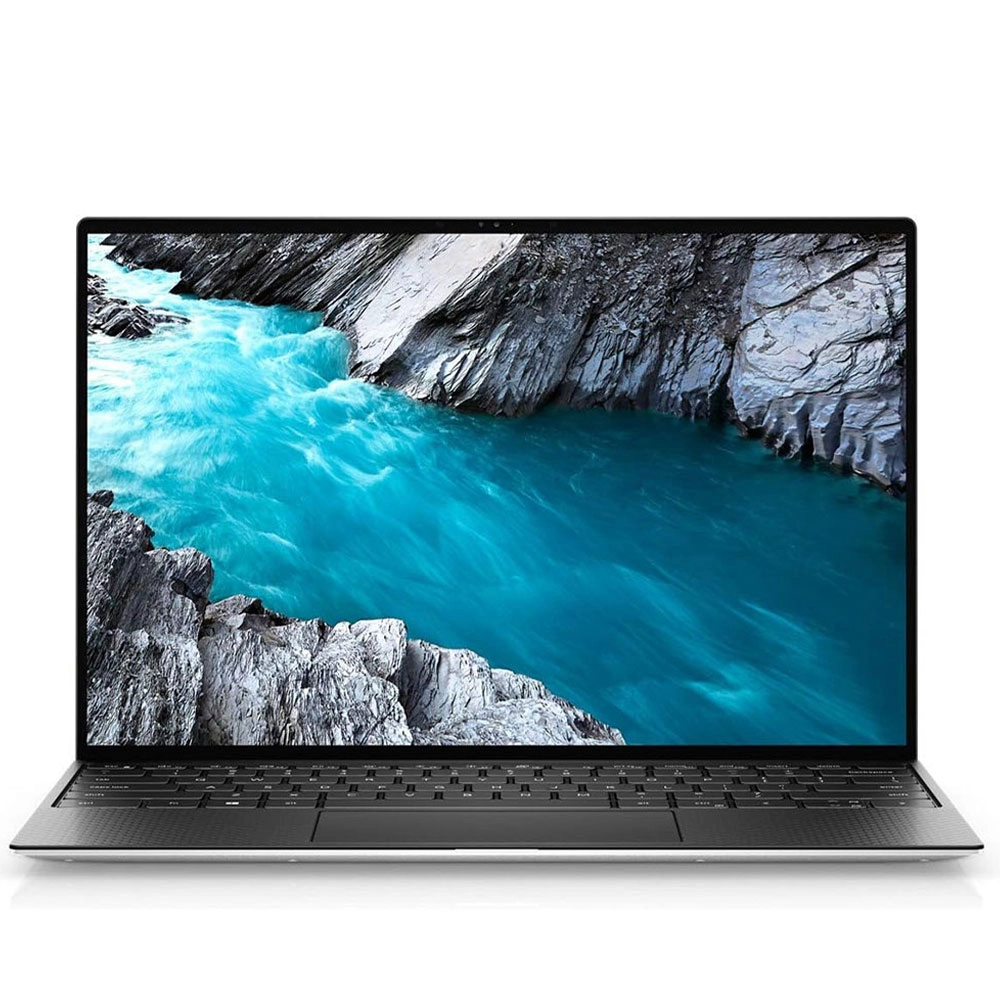

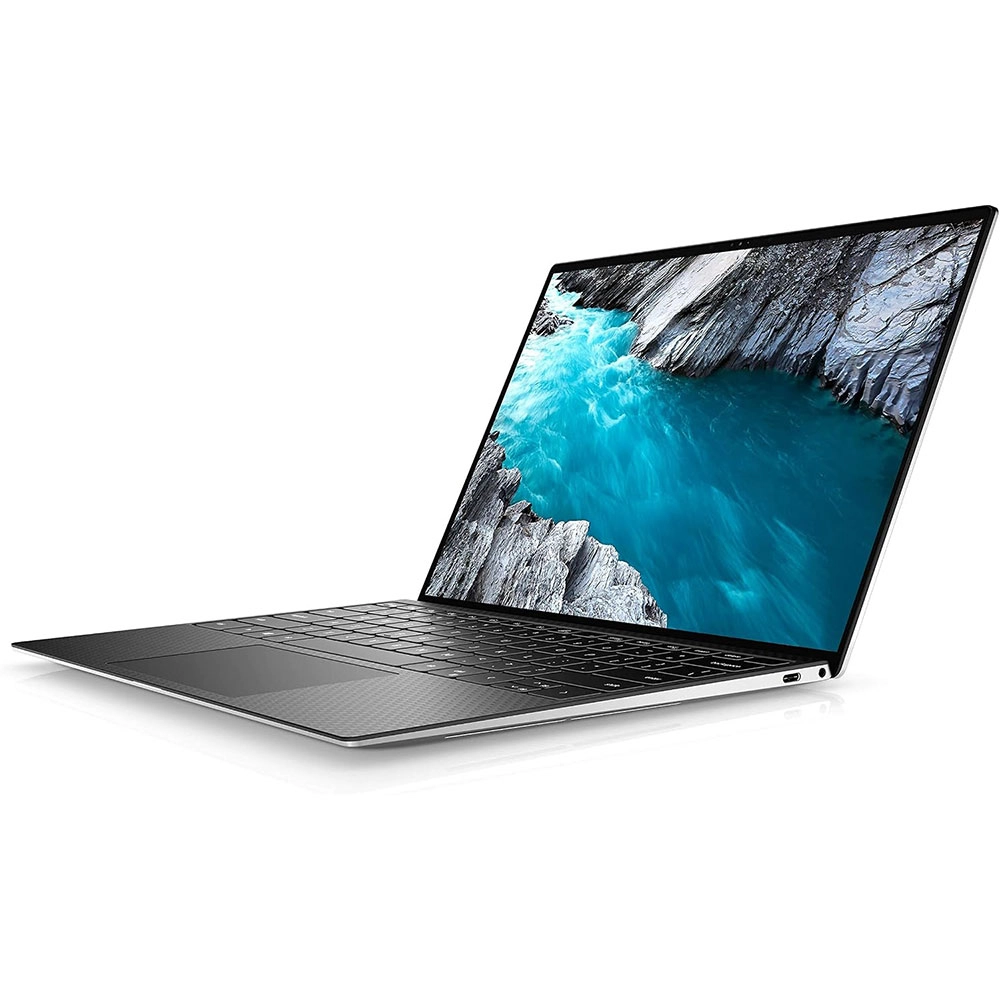
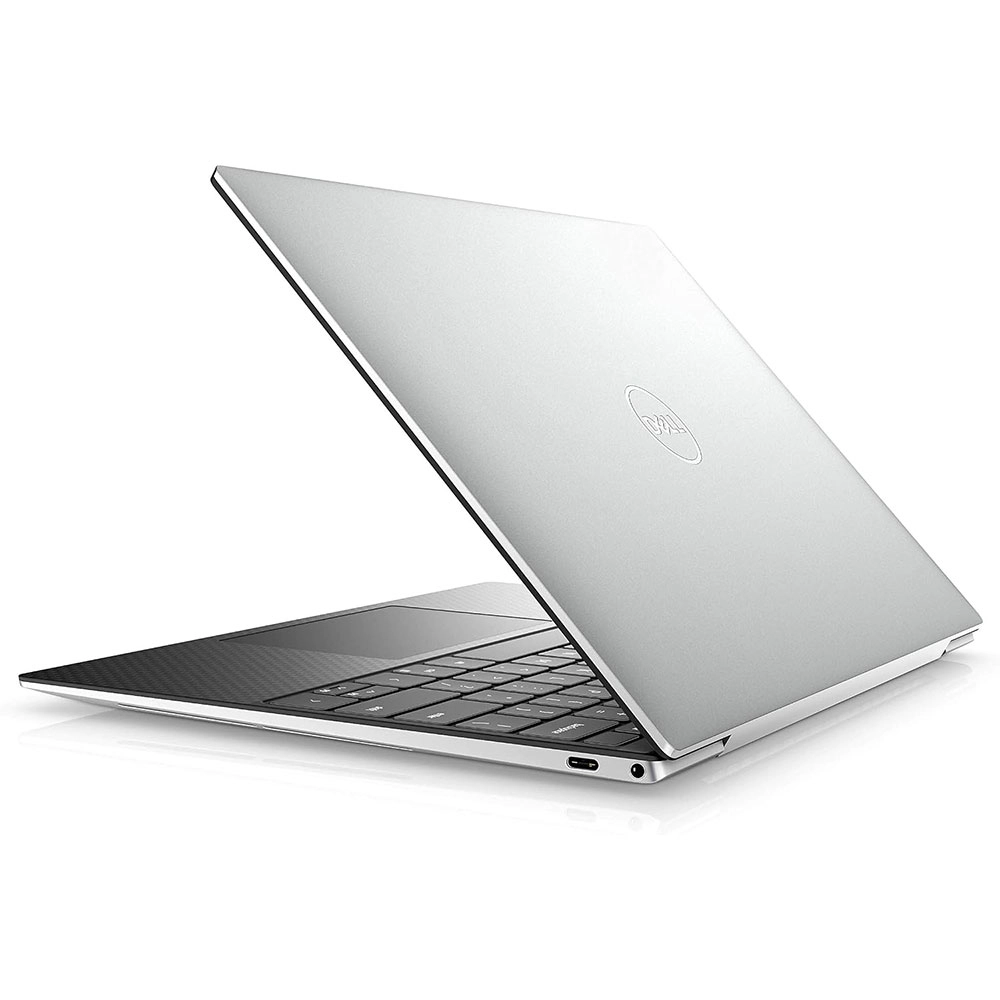
Dell XPS 13 9310 | Intel Core i7 11th Gen | 16GB RAM | 512 SSD | 13″ | Renewed

| Brand and Model | Dell XPS 13 9310 |
|---|---|
| CPU model | Intel Core i7 11th Gen |
| Installed RAM memory size | 16GB |
| Graphics card description | Intel Iris Xe Graphics |
| Hard disk size | 512GB SSD |
| Screen size | 13 Inches |
| Colour | Platinum Silver |
| Condition | Renewed |
1,200 AED 1,350 AED
Dell XPS 13 9310
For users who want a compact laptop but still expect strong everyday responsiveness, the Dell XPS 13 9310 offers a practical balance. This configuration pairs an 11th-generation Intel Core i7 processor with 16GB of RAM, a 512GB SSD and Intel integrated graphics in a 13-inch-class XPS design. It fits naturally into mobile office work, university tasks, programming and general professional use.
The supplied configuration identifies the processor as Ci7-11th, but it does not provide the complete processor code. Dell’s documentation confirms that the XPS 13 9310 was offered with the 11th-generation Intel Core i7-1165G7. The exact processor code, display specification, operating system and storage interface should still be checked against the individual unit before ordering.
A Small Footprint with a Serious Workload
The first thing to notice about the XPS 13 9310 is its compact format. Rather than using a large chassis to accommodate performance hardware, Dell built this generation around a portable 13-inch-class design.
That approach suits people who spend part of their working day away from a fixed desk. A student can carry it between classes, while a professional can move from an office to a meeting room without dealing with a bulky machine. Likewise, its compact footprint works well for users who frequently travel with their laptop.
The XPS 13 9310 should therefore be evaluated as a portable productivity system, not as a desktop replacement. Its size is an advantage for mobility, although users who need a large workspace may prefer a 15-inch or 16-inch laptop.
11th-Generation Core i7 at the Center
The processor is the key performance component in this configuration. Dell’s service documentation lists the Intel Core i7-1165G7 among the processors used in the XPS 13 9310. It is an 11th-generation mobile Core i7 with four cores and eight threads.
For everyday computing, that gives the system enough CPU capability for office applications, browser-heavy workflows, online meetings and multitasking. It also creates a useful base for programming, particularly when working with IDEs, development tools and several applications at the same time.
At the same time, the CPU does not turn the XPS 13 9310 into a workstation. Sustained professional rendering, demanding simulation and other heavily parallel workloads can benefit from a larger system with a higher-power processor and stronger cooling capacity.
16GB Memory Changes the Multitasking Picture
A 13-inch laptop can become frustrating when memory capacity limits the number of applications you can keep open. This configuration avoids that problem with 16GB of RAM.
For example, a user can work with a browser, Word or Excel, communication software and a programming environment without needing to close applications constantly. Students can also keep research material, PDFs, browser tabs and productivity software available during a study session.
The exact RAM type and upgrade arrangement are not specified in the supplied configuration. Therefore, those details should be verified with the actual unit rather than assumed from another XPS 13 9310 configuration.
512GB SSD Keeps the System Practical
The 512GB SSD gives this configuration enough local capacity for a typical collection of applications, documents, study files and personal data. More importantly, it avoids the storage constraints that can become noticeable with very small SSD configurations.
The available capacity also makes the laptop more comfortable for programming environments and development projects. However, users who keep large video libraries, extensive photo archives or multiple virtual machines should plan for external or additional storage.
The supplied specification does not identify the exact SSD interface. Consequently, this page does not assign a specific PCIe generation or drive model to the configuration.
Intel Graphics: Useful for Productivity, Not a Gaming Focus
The supplied configuration lists Intel HD graphics. However, the exact GPU name should be confirmed on the individual unit because Dell’s XPS 13 9310 documentation covers configurations using 11th-generation Intel processors, while the specific graphics implementation depends on the processor configuration.
For everyday visual workloads, integrated Intel graphics can handle the desktop environment, web applications, video playback and normal productivity software. They can also support light creative work where the application does not depend heavily on a dedicated GPU.
On the other hand, this configuration should not be selected specifically for demanding modern gaming or professional 3D rendering. A laptop with a dedicated graphics processor would make more sense for those workloads.
What the 13-Inch Format Means in Daily Use
The supplied configuration identifies the screen size as 13 inches. Dell’s XPS 13 9310 platform uses a 13.4-inch display and was available in multiple display configurations, so the exact resolution, panel technology, brightness and touch capability need confirmation for the specific unit.
That distinction matters when choosing the laptop for a particular workflow. A compact display works well for writing, browsing, coding and general office tasks. Conversely, users who spend hours working with wide spreadsheets, complex timelines or detailed design interfaces may appreciate a larger external display.
So, rather than treating the screen size as simply a specification, it is better to view it as part of the laptop’s mobility-first design.
Connectivity for a Modern Portable Setup
The XPS 13 9310 belongs to a generation that emphasizes USB-C connectivity. Dell’s documentation and support materials identify Thunderbolt connectivity on the platform, making the laptop suitable for modern docking stations, compatible external displays and USB-C peripherals.
This design benefits users who already use USB-C accessories. However, buyers with several legacy USB-A devices should check the included accessories and may need an adapter or dock.
Wireless specifications and the exact port configuration should also be verified against the supplied configuration before publication as a fixed product specification.
Where This Configuration Makes Sense
Professional Office Work
The combination of Core i7-class processing, 16GB RAM and 512GB SSD creates a strong foundation for documents, spreadsheets, presentations, browser applications and communication tools. The compact chassis then makes the system easier to move between work locations.
University and Study
For students, portability is one of the clearest advantages. The system can handle research, writing, presentations, online classes and general multitasking without requiring a large laptop bag.
Programming
The 16GB memory configuration is particularly useful for developers. It leaves room for an IDE, browser windows, documentation, terminals and other development utilities to run together. Meanwhile, the Core i7 platform provides a reasonable CPU base for everyday software development.
Developers working with several virtual machines, large container environments or demanding local build processes may still prefer a newer or higher-power workstation-oriented laptop.
Creative and Multimedia Work
Basic photo editing, media consumption and light creative applications are reasonable workloads for an integrated-graphics laptop. However, professional video editing, complex 3D scenes and GPU-intensive production should remain secondary use cases.
Gaming
Gaming is not the main purpose of this configuration. Intel integrated graphics can handle lighter or older titles depending on the software and settings, but users seeking consistent performance in demanding modern games should choose a laptop with dedicated graphics.
Technical Specifications
| Specification | Dell XPS 13 9310 |
|---|---|
| Brand | Dell |
| Model | XPS 13 9310 |
| Processor | 11th Generation Intel Core i7 |
| Exact CPU Model | Not specified in supplied configuration |
| Supported XPS 13 9310 i7 option | Intel Core i7-1165G7 |
| CPU Cores / Threads | 4 cores / 8 threads for i7-1165G7 |
| RAM | 16GB |
| RAM Type | Not specified in supplied configuration |
| Storage | 512GB SSD |
| SSD Interface | Not specified in supplied configuration |
| Graphics | Intel integrated graphics; exact GPU should be confirmed |
| Display Size | 13-inch class; XPS 13 9310 platform uses a 13.4-inch display |
| Display Resolution | Not specified in supplied configuration |
| Display Panel | Not specified in supplied configuration |
| Refresh Rate | Not specified in supplied configuration |
| Battery | Configuration-specific; verify exact unit |
| Ports | USB-C / Thunderbolt connectivity on the XPS 13 9310 platform |
| Wi-Fi | Configuration-specific; verify exact unit |
| Bluetooth | Configuration-specific; verify exact unit |
| Operating System | Not specified in supplied configuration |
| Weight | Configuration-specific |
| Dimensions | Configuration-specific |
| Condition | Not specified |
| Warranty | Not specified |
Dell’s official support documentation confirms the XPS 13 9310 platform and its 11th-generation processor options, including the Core i7-1165G7.
Pros and Cons
Pros
- 11th-generation Core i7 provides a capable CPU platform for everyday productivity and development work.
- 16GB RAM is well suited to multitasking on a compact laptop.
- 512GB SSD provides practical local storage for applications, documents and study files.
- Compact XPS design favors users who regularly carry their laptop.
- USB-C/Thunderbolt connectivity supports modern peripherals and docking setups.
Cons
- The exact Core i7 model is not stated in the supplied product configuration.
- Intel integrated graphics limit the system for demanding gaming and professional GPU workloads.
- The 13-inch-class display can feel restrictive for large spreadsheets and complex visual workflows.
- Exact display resolution, panel type, battery capacity, wireless specification and operating system require confirmation for the individual unit.
- Users with many traditional USB-A accessories may need an adapter or dock.
Final Verdict
The Dell XPS 13 9310 is best suited to buyers who want a compact professional laptop with 16GB RAM and 512GB storage, rather than a machine built primarily for graphics-heavy workloads. Its 11th-generation Core i7 platform gives the configuration a solid productivity foundation, while the small XPS form factor keeps portability at the center of the experience.
For office work, university tasks, programming and mobile professional use, this configuration has a clear purpose. Its integrated graphics and compact display, however, define its boundaries. Users who need dedicated GPU performance, extensive screen space or workstation-level sustained processing should consider another class of laptop.
Before ordering, verify the exact CPU model, display resolution and panel, GPU designation, SSD interface, battery specification, wireless modules, operating system, condition and warranty for the actual unit. Availability and configuration should match the product listing.
| Brand | |
|---|---|
| Model | Dell XPS 13 9310 |
| Processor | |
| RAM | |
| Storage | |
| Graphics | |
| Screen Size | |
| Camera | Integrated Camera |
| Color | |
| Keyboard | Backlit Keyboard, US-English |
| Operating System | Window 10 Pro |
| Condition | Used-Excellent (Fully Tested) |
| Battery | |
| Weight | 1.20 kg |
| Warranty | 3 Months |
Based on 0 reviews
Only logged in customers who have purchased this product may leave a review.
Related products
-
HP Envy X360 Series, HP Pavilion, Office and Student, Ultrabook and X360
HP Pavilion Plus 14 Inch AMD Ryzen 7840U | 32GB RAM | 1TB SSD
-11% HP Envy X360 Series, HP Pavilion, Office and Student, Ultrabook and X360
HP Pavilion Plus 14 Inch AMD Ryzen 7840U | 32GB RAM | 1TB SSD
HP Envy X360 Series, HP Pavilion, Office and Student, Ultrabook and X360HP Pavilion Plus 14 Inch AMD Ryzen 7840U | 32GB RAM | 1TB SSD
lass=”a-spacing-small po-model_name” role=”listitem”>CPU modelAMD Ryzen 7</tr>sizerong>
“listitem”>
<td class=”a-span3″>le=”presentation”> HP Envy x360</strong>
role=”presentation”><strong><span class=”a-size-base a-text-bold”>Installed RAM memory 32GB DDR4</st</strong> Graphics card description</strong> <strong>AMD Radeon lass=”a-span3″ role=”presentation”>>Hard disk size <strong>1TB SSD Nvme</td> Screen size 13 Inches Full HD Colour <strong>Silver SKU: HP70192 -
Business Laptops, HP Elitebook, Ultrabook and X360
HP EliteBook 1040 G10 X360 Intel Core i5-1355U | 16GB RAM | 512GB SSD
-8% Business Laptops, HP Elitebook, Ultrabook and X360
HP EliteBook 1040 G10 X360 Intel Core i5-1355U | 16GB RAM | 512GB SSD
Business Laptops, HP Elitebook, Ultrabook and X360HP EliteBook 1040 G10 X360 Intel Core i5-1355U | 16GB RAM | 512GB SSD
Brand and Model HP Elitebook 1040 x360 G10 CPU model Intel Core i5-1335U Installed RAM memory size 16GB DDR4 Graphics card description Intel Iris Xe Graphics Hard disk size 512 GB SSD Nvme Screen size 14.1 Inches Full HD Colour Silver SKU: HP70182 -
HP Envy X360 Series, Ultrabook and X360
HP Envy 14 X360 Ryzen 5 8640HS | 16GB | 512Gb SSD
HP Envy X360 Series, Ultrabook and X360HP Envy 14 X360 Ryzen 5 8640HS | 16GB | 512Gb SSD
Brand and Model HP Envy X360 14 CPU model AMD Ryzen 5-8640HS Installed RAM memory size 16GB DDR4 Hard Desk Size 512 GB SSD Nvme Graphics card description Intel UHD Screen size 14 Inches Full HD Colour Silver SKU: HP70199 -
Business Laptops, HP Elitebook, HP Elitebook 1000 Series, Ultrabook and X360
HP EliteBook 1040 G11 x360 G11 Ultra 5-125H | 16GB RAM | 512GB SSD
-13% Business Laptops, HP Elitebook, HP Elitebook 1000 Series, Ultrabook and X360
HP EliteBook 1040 G11 x360 G11 Ultra 5-125H | 16GB RAM | 512GB SSD
Business Laptops, HP Elitebook, HP Elitebook 1000 Series, Ultrabook and X360HP EliteBook 1040 G11 x360 G11 Ultra 5-125H | 16GB RAM | 512GB SSD
</tr>rong>Screen size
<td class=”yoast-text-mark”>lass=”a-span9″ role=”presentation”>512 GB SSD Nvme&lt;/strong><st<strong>14.1 Inches Full HDss=”a-spacing-small po-ram_memory.installed_size” role=”listitem”>
Intel Ultra 5-125H</span>
ole=”listitem”><td class=”a-span3″ role=”presentation”><strong>Colour</td>
e=”presentation”>Brand and Model HP EliteBook 1040 x360 CPU model</strong> ass=”a-span3″ role=”presentation”><span class=”a-size-base a-text-bold”>Installed RAM memory size >role=”presentation”>>16GB DDR4 role=”presentation”>Graphics card description Intel Iris Graphics class=”a-span3″ role=”presentation”><span class=”a-size-base a-text-bold”>Hard disk size Silver SKU: HP70180
There are no reviews yet.